

Blog

10 Hidden Gem Management Tools Every Freelancer Should Know About

10 Hidden Gem Management Tools Every Freelancer Should Know About

Most freelancers hear about the same handful of management tools over and over again. But the truth is, some of the best options for running your freelance business fly under the radar. These lesser-known tools often cost less, work better for solo professionals, and solve specific problems that the big names overlook. This list highlights practical management tools that don’t get enough attention but can make your daily workflow smoother and more efficient. If you’re tired of overpaying for bloated software or wrestling with platforms built for large teams, these hidden gems are worth a closer look.

  1. LegiitLegiit

    When most freelancers think about finding work or hiring help, they default to the usual suspects. Legiit deserves more recognition as a platform that connects freelancers with clients while also letting you outsource tasks to other specialists. What makes it stand out is the focus on digital services and the ability to build a service catalog that clients can browse and purchase directly.

    The platform handles payments, provides buyer protection, and gives you a space to showcase your offerings without competing in a race to the bottom on pricing. Many freelancers use it both to find new clients and to delegate work they don’t have time for, which makes it a flexible tool for managing your business growth. The interface is straightforward, and the community leans toward marketers, developers, and creatives who understand the value of quality work.

  2. CushionCushion

    Cushion is a scheduling and forecasting tool built specifically for freelancers who juggle multiple projects and clients. Unlike generic calendar apps, it visualizes your workload in a way that helps you see gaps, overlaps, and potential scheduling conflicts before they become problems.

    You can track project timelines, set buffer time between gigs, and forecast your income based on what’s in your pipeline. The visual timeline makes it easy to answer the question every freelancer dreads: do I have room to take on another project right now? It’s particularly helpful if you struggle with overcommitting or want to maintain a healthier work-life balance. The tool is simple enough to start using immediately but detailed enough to give you real insight into how you spend your time.

  3. Bonsai

    Bonsai combines contracts, proposals, invoicing, and time tracking into one platform designed for solo freelancers and very small teams. While it’s gained some traction, it still flies under the radar compared to larger accounting or project management tools that weren’t built with freelancers in mind.

    What sets Bonsai apart is the legal template library. You get access to contract templates that are actually written for freelance work, covering everything from scope changes to payment terms. The automation features let you send payment reminders, track expenses, and generate financial reports without needing a separate accounting degree. If you’ve been cobbling together contracts from free templates online and managing invoices in spreadsheets, Bonsai brings everything into one place and saves you from costly mistakes or awkward client conversations about unpaid invoices.

  4. Flow

    Flow is a task and project management tool that focuses on simplicity and speed. It doesn’t have the name recognition of some competitors, but that’s partly because it avoids feature bloat and stays focused on helping you organize work without a steep learning curve.

    You can create projects, assign tasks to yourself or collaborators, set deadlines, and track progress with a clean interface that doesn’t overwhelm you with options. The tool works well if you manage client projects that involve multiple deliverables or if you collaborate with other freelancers occasionally. Flow also integrates with common tools like Slack and Google Calendar, so it fits into your existing workflow instead of forcing you to change how you work. It’s a solid middle ground between a simple to-do list and a complex project management system that requires a manual to understand.

  5. Qwilr

    Qwilr transforms boring proposals and quotes into interactive web pages that clients can view on any device. Instead of sending a PDF that gets lost in an email thread, you create a branded, mobile-friendly page that includes pricing options, embedded videos, and even an acceptance button.

    The tool tracks when clients open and view your proposal, which gives you insight into their interest level and helps you time your follow-up. You can set up pricing blocks that let clients choose between different service tiers, and they can accept and pay right from the proposal page. This speeds up the sales cycle and makes you look more professional than competitors who are still sending static documents. Qwilr is particularly useful for freelancers in design, consulting, and marketing who want to make a strong first impression and close deals faster.

  6. Productive

    Productive is an all-in-one business management platform that includes time tracking, budgeting, project management, and profitability analysis. It’s less well-known than some alternatives because it targets agencies and consultancies, but solo freelancers who want to run their business with the same rigor as a small firm will find it valuable.

    The budgeting features let you estimate how long a project should take and then compare that against actual time spent, which helps you price future work more accurately. You can track billable versus non-billable hours, see which clients are most profitable, and identify where you’re losing time or money. The reporting tools give you a clear picture of your business health without requiring you to export data into spreadsheets. If you’re ready to move past basic invoicing and want to understand the real economics of your freelance business, Productive provides the structure and insights you need.

  7. Plutio

    Plutio is a comprehensive business management tool that combines proposals, contracts, invoicing, project management, and client communication in one platform. It’s designed specifically for freelancers and small creative businesses, which means it includes features that actually matter to solo professionals instead of enterprise teams.

    You can create a client portal where your clients log in to view project status, approve deliverables, and access files. This reduces the back-and-forth emails and keeps everything organized in one place. The tool also includes time tracking, task management, and the ability to create custom workflows that match how you actually work. Plutio is white-label friendly, so you can brand the client portal with your own logo and colors. It’s a strong option if you want to present a polished, organized front to clients without paying for multiple subscriptions or stitching together different tools.

  8. Timing

    Timing is a time tracking app for Mac that automatically records how you spend your time on your computer. Unlike manual timers that you have to remember to start and stop, Timing runs in the background and tracks which apps and websites you use throughout the day.

    At the end of the day or week, you review the data and categorize your time into projects or tasks. This gives you an accurate picture of where your hours actually go, which is critical for billing clients correctly and understanding your true hourly rate. Many freelancers are surprised to discover how much time they spend on administrative tasks or how long certain types of work really take. Timing helps you make better estimates, catch unbilled time, and identify productivity patterns. If you’ve ever gotten to the end of a busy day and struggled to remember what you actually accomplished, this tool solves that problem without adding another thing to your mental checklist.

  9. Notion

    Notion might be gaining popularity, but many freelancers still don’t realize how well it works as a complete business management system. It’s a flexible workspace that combines notes, databases, wikis, and task lists into one tool that you can customize to fit exactly how you work.

    You can build a client database, track project pipelines, store templates for common tasks, maintain a knowledge base, and manage your content calendar all in the same place. The learning curve is steeper than simpler tools, but the payoff is a system that grows with your business and adapts to your specific needs. Freelancers use Notion to replace multiple subscriptions, and the free tier is generous enough for most solo professionals. If you’re comfortable spending some time setting up your workspace, Notion becomes a powerful hub that reduces app-switching and keeps your entire business organized in one place.

  10. Hiveage

    Hiveage is an invoicing and billing platform that doesn’t get much attention but offers solid features at a lower price point than the market leaders. It handles recurring invoices, payment processing, expense tracking, and client management without the complexity or cost of larger accounting platforms.

    The interface is clean and functional, and you can customize invoice templates to match your brand. Hiveage supports multiple payment gateways, sends automatic payment reminders, and generates financial reports that help you stay on top of cash flow. It also includes a client portal where your clients can view their invoices, payment history, and outstanding balances. The tool works well for freelancers who need professional invoicing without paying premium prices or dealing with features they’ll never use. If you’ve outgrown basic invoicing but don’t need full accounting software, Hiveage hits the sweet spot.

The most popular tools aren’t always the best fit for freelancers, especially when you’re working solo and need software that actually understands your workflow. These hidden gems offer practical features, reasonable pricing, and interfaces designed for independent professionals rather than corporate teams. Try one or two that address your biggest management headaches, and you might find yourself wondering why you didn’t make the switch sooner. The right tools won’t run your business for you, but they’ll give you more time and energy to focus on the work that actually pays the bills.…


10 Underrated Tools You Must Have in Your Freelancing Business for Research

10 Underrated Tools You Must Have in Your Freelancing Business for Research

When it comes to running a successful freelancing business, most people flock to the same handful of well-known platforms and software. But some of the most powerful tools for research and productivity fly under the radar, quietly making life easier for those who find them. This list highlights ten lesser-known options that can transform how you gather information, manage projects, and deliver exceptional work to clients. Whether you’re a writer, designer, consultant, or any other type of freelancer, these hidden gems deserve a spot in your toolkit.

  1. LegiitLegiit

    While many freelancers stick to the biggest marketplaces, Legiit offers something different. This platform specializes in digital marketing services and connects freelancers with clients looking for SEO, content, social media, and other online services.

    What makes Legiit stand out is its focus on a specific niche, which means less competition from generalists and more opportunities to showcase specialized skills. The platform also provides tools for creating service packages, managing orders, and building long-term client relationships. For freelancers who want to move beyond the crowded mainstream platforms, Legiit provides a smart alternative that many still haven’t discovered.

  2. ZoteroZotero

    Most people reach for Google Drive or basic bookmarking when they need to organize research materials, but Zotero takes things several steps further. This free, open-source tool helps you collect, organize, cite, and share research from any source.

    You can save entire web pages, PDFs, images, and videos with a single click, and Zotero automatically extracts metadata like author, date, and publisher. The tool also generates citations in thousands of styles, making it incredibly useful for freelancers who write reports, white papers, or academic content. Its browser extension and desktop app work together smoothly, and the ability to create shared libraries makes collaboration simple. Many freelancers have never heard of Zotero, but those who use it wonder how they ever managed without it.

  3. Pocket

    When you’re deep in research mode, you often stumble across great articles at inconvenient times. Pocket solves this problem by letting you save content from any device and access it later, even offline.

    Unlike browser bookmarks that pile up and get forgotten, Pocket creates a clean, distraction-free reading experience. You can tag articles by topic, highlight important passages, and search through your saved content easily. The mobile app is particularly useful for reading during commutes or downtime. For freelancers who need to stay informed about their industry or gather background information for client projects, Pocket acts as a personal research library that travels with you. It’s simple, free, and surprisingly powerful for such a low-profile tool.

  4. Airtable

    While spreadsheets dominate project management for many freelancers, Airtable combines the power of a database with the simplicity of a spreadsheet interface. This hybrid approach makes it perfect for tracking research, managing multiple client projects, and organizing complex information.

    You can create custom views like calendars, kanban boards, and galleries, all from the same data. The ability to link records between tables means you can connect research sources to specific projects, track which clients need which types of information, and build a knowledge base that grows with your business. Templates get you started quickly, but the real magic happens when you customize Airtable to fit your exact workflow. Many freelancers still rely on basic spreadsheets, missing out on the flexibility Airtable provides.

  5. Raindrop.io

    Bookmark managers rarely get attention, but Raindrop.io deserves recognition for how it handles research organization. This tool goes beyond simple link saving by offering nested collections, full-text search, tags, and beautiful visual previews.

    You can annotate your saved links, share collections with clients or collaborators, and even make collections public for portfolio purposes. The permanent copies feature ensures that even if a webpage disappears, you still have access to the content you saved. Raindrop.io works across all devices and browsers, making it easy to save something on your phone and reference it later on your desktop. For freelancers who do extensive online research, this tool keeps everything organized and accessible without the clutter of traditional bookmarking systems.

  6. Obsidian

    Note-taking apps are everywhere, but Obsidian takes a different approach that makes it particularly valuable for research-heavy freelancers. Instead of organizing notes in folders, Obsidian uses bidirectional linking to create a web of connected ideas.

    This method mirrors how your brain actually works, making it easier to spot patterns, develop new insights, and build a personal knowledge base over time. Your notes stay on your computer as plain text files, which means you own your data and can access it with any text editor. The graph view shows how your notes connect, revealing relationships you might not have noticed. Plugins extend functionality in countless ways, from task management to citation handling. While tools like Evernote and Notion get most of the attention, Obsidian quietly builds a devoted following among people who think deeply about information.

  7. Feedly

    Social media algorithms decide what you see, but Feedly puts you back in control of your information diet. This RSS reader lets you follow blogs, news sites, YouTube channels, and publications all in one place.

    You can organize feeds into categories like industry news, competitor research, or inspiration, and Feedly uses AI to surface the most relevant articles based on your reading habits. The ability to save articles directly to other tools like Pocket, Evernote, or Trello streamlines your research workflow. For freelancers who need to stay current in their field or monitor specific topics for clients, Feedly provides a focused alternative to the chaos of social media feeds. Many people abandoned RSS readers years ago, but tools like Feedly have evolved into powerful research assistants.

  8. Milanote

    Visual thinkers often struggle with text-heavy organization tools. Milanote offers a flexible canvas where you can arrange notes, images, links, and files in whatever layout makes sense to you.

    Think of it as a digital version of pinning index cards and photos to a corkboard, but with the benefits of search, collaboration, and cloud access. You can create mood boards for creative projects, organize research materials spatially, and build visual timelines or mind maps. The interface feels intuitive and doesn’t force you into rigid structures. For freelancers in creative fields or anyone who processes information visually, Milanote provides a refreshing alternative to list-based tools. It’s particularly useful when you need to see the big picture of a research project or present findings to clients in a more engaging format.

  9. Screaming Frog SEO Spider

    Freelancers who work in digital marketing, content strategy, or web development need to analyze websites regularly. Screaming Frog SEO Spider crawls websites like a search engine, revealing technical details that browsers hide from view.

    You can audit site structure, find broken links, analyze page titles and metadata, review redirects, and extract data for further analysis. The free version handles up to 500 URLs, which covers most small to medium websites. While the interface looks technical at first, the insights it provides are worth the learning curve. This tool helps you deliver more thorough research to clients and spot opportunities or problems that simpler tools miss. Most freelancers who could benefit from Screaming Frog have never heard of it, making it a true hidden gem for those who take the time to learn it.

  10. Hypothesis

    Reading and annotating web content usually means copying text into a separate document or scribbling notes you’ll lose later. Hypothesis changes this by letting you highlight and annotate any webpage, then share those annotations with others or keep them private.

    Your annotations stay attached to the original content, creating a personal layer of notes across the entire web. You can have conversations in the margins of articles, save highlights for later reference, and organize annotations with tags. For freelancers who do literature reviews, competitive analysis, or need to reference online sources frequently, Hypothesis turns passive reading into active research. The tool works as a browser extension and integrates with many content management systems. Despite its usefulness, few people outside academic circles know about Hypothesis, making it an underused resource for freelance researchers.

  11. Calibre

    E-books and PDFs pile up quickly when you’re researching, and managing them becomes a headache. Calibre is an open-source e-book manager that helps you organize, convert, and read digital documents from one central library.

    You can convert files between dozens of formats, edit metadata to keep things organized, and even send documents to e-readers or tablets. The built-in reader supports annotations and bookmarks, and the search function helps you find specific information across your entire library. For freelancers who collect reports, white papers, industry publications, or books for research, Calibre provides a professional way to manage it all. The software is completely free and works on Windows, Mac, and Linux. While it’s not flashy or well-marketed, Calibre solves a real problem that many freelancers face but few have found a good solution for.

The most popular tools aren’t always the best fit for your freelancing business. These ten options prove that some of the most useful resources remain relatively unknown, waiting for smart freelancers to discover them. Each tool on this list solves real problems in research, organization, and information management without the hype or high price tags of mainstream alternatives. Try a few that match your work style and needs. You might find that the perfect tool for your freelancing business has been hiding in plain sight all along, just waiting for you to give it a chance.…

10 Fast Productivity Tools Every Freelancer Needs to Save Time and Work Smarter

10 Fast Productivity Tools Every Freelancer Needs to Save Time and Work Smarter

Time is the most valuable resource you have as a freelancer. Every minute spent on admin work, chasing invoices, or switching between apps is a minute you could spend earning money or enjoying your freedom. The right tools can cut your busywork in half and help you finish projects faster without sacrificing quality. This list focuses on tools that deliver quick wins and measurable time savings, so you can get more done in less time and reclaim hours in your week.

  1. Legiit: Outsource Tasks and Scale Without Hiring Full-TimeLegiit: Outsource Tasks and Scale Without Hiring Full-Time

    When you need to offload work fast, Legiit connects you with vetted freelancers who can handle everything from graphic design to content writing to tech support. Instead of spending days vetting candidates or managing complicated contracts, you can browse services, place an order, and get deliverables within hours or days.

    This platform is built for speed. Most services have clear turnaround times, fixed pricing, and reviews from real clients, so you know what to expect before you commit. Whether you need a logo designed by tomorrow or blog posts written this week, Legiit helps you delegate quickly and keep projects moving. It’s a smart way to buy back your time without the overhead of hiring employees.

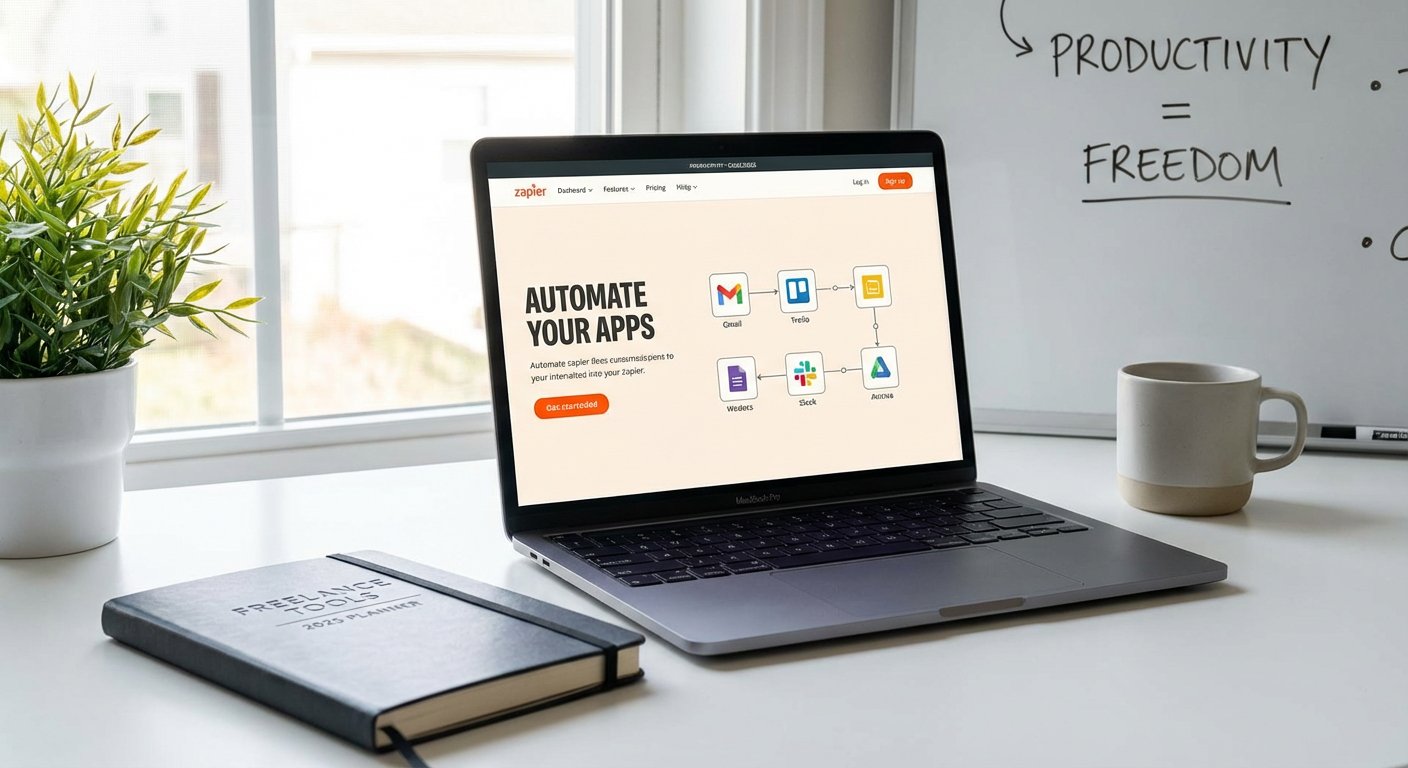
  2. Zapier: Automate Repetitive Tasks Between Your AppsZapier: Automate Repetitive Tasks Between Your Apps

    Zapier connects your favorite apps and automates the boring stuff that eats up your day. You can set up workflows, called Zaps, that trigger actions automatically when something happens in another app. For example, when a new client fills out your contact form, Zapier can add them to your CRM, send a welcome email, and create a task in your project manager, all without you lifting a finger.

    The setup is simple and requires no coding. You choose a trigger app, select an action app, and map the fields. Within minutes, you can automate tasks like saving email attachments to cloud storage, posting social media updates across platforms, or syncing calendar events. Small automations add up fast, saving you hours every week and reducing the risk of human error.

  3. Notion: Centralize Notes, Tasks, and Projects in One Place

    Notion replaces a dozen scattered tools with a single workspace where you can take notes, manage projects, track clients, and store resources. Instead of jumping between Google Docs, Trello, Evernote, and spreadsheets, you keep everything in one searchable database. This eliminates the time wasted searching for information across platforms.

    You can build custom dashboards, create linked databases, and set up templates for recurring tasks like client onboarding or project briefs. Notion’s flexibility means it adapts to your workflow, not the other way around. Once you set up your system, you’ll spend less time organizing and more time doing the work that pays.

  4. Grammarly: Catch Errors and Polish Your Writing in Seconds

    Grammarly acts as a second pair of eyes on everything you write, from emails to proposals to blog posts. It catches typos, grammar mistakes, and awkward phrasing in real time, so you don’t have to reread your work five times before hitting send. The tool integrates directly into your browser, email client, and word processor, which means it works wherever you type.

    Beyond basic spell check, Grammarly suggests tone adjustments and clarity improvements that make your writing more professional and persuasive. This speeds up your editing process and reduces the back-and-forth with clients who might misunderstand unclear language. Clean, confident writing saves time and builds trust faster.

  5. Calendly: Let Clients Book Meetings Without the Email Ping-Pong

    Scheduling meetings by email is a time drain. The “Does Tuesday work?” “Actually, can we do Wednesday?” dance can stretch over days. Calendly ends that by letting clients see your availability and book a time slot that works for both of you. You set your working hours, buffer times, and meeting types, then share a link.

    Calendly syncs with your calendar, sends automatic reminders, and even handles time zones. This means fewer no-shows and zero double bookings. Clients appreciate the convenience, and you get back the 20 minutes you used to spend coordinating each call. It’s a small change that makes a big difference in how smoothly your days run.

  6. TextExpander: Type Less and Say More with Custom Shortcuts

    TextExpander lets you create shortcuts that expand into full sentences, paragraphs, or even templates. If you find yourself typing the same email responses, contract clauses, or project instructions over and over, this tool will save you countless hours. You type a short abbreviation, and it instantly fills in the rest.

    For example, typing “tyvm” can expand to “Thank you so much for reaching out. I’ll review your project details and get back to you within 24 hours.” You can set up snippets for addresses, phone numbers, pricing breakdowns, and frequently asked questions. Over time, those seconds saved per message add up to hours per month. It’s one of the fastest ways to reduce typing fatigue and speed up client communication.

  7. Toggl Track: Know Where Your Time Goes and Bill Accurately

    Toggl Track is a simple time tracker that helps you see exactly how long tasks take, which clients consume the most time, and where you might be losing billable hours. You click a button to start a timer, add a task description, and stop it when you’re done. The app runs quietly in the background and syncs across devices.

    This data is gold for freelancers. You can identify which projects are profitable and which ones drain your energy without paying enough. You’ll also have accurate records when it’s time to invoice, which speeds up billing and reduces disputes. Knowing your true hourly rate helps you make smarter decisions about what work to take on and what to turn down.

  8. Loom: Record Quick Video Messages Instead of Writing Long Emails

    Loom lets you record your screen, your camera, or both, and share a link instantly. This is faster than writing a detailed email and often clearer than a wall of text. You can walk a client through edits, explain a process, give feedback on a design, or answer questions in a fraction of the time it would take to type everything out.

    Videos feel more personal and reduce misunderstandings. Clients can watch at their own pace and rewatch if needed. Loom also transcribes your videos automatically, so recipients can skim the text if they’re in a hurry. This tool is especially helpful for remote freelancers who want to communicate quickly without scheduling yet another Zoom call.

  9. Canva: Design Professional Graphics Without a Steep Learning Curve

    Canva puts design power in your hands without requiring Photoshop skills or hours of training. You can create social media posts, presentations, proposals, invoices, and marketing materials using drag-and-drop templates. The library includes millions of images, icons, and fonts, so you rarely need to start from scratch.

    What used to take an hour in a complex design program now takes ten minutes in Canva. You can resize designs for different platforms with one click, collaborate with clients in real time, and download files in multiple formats. This speed matters when you need to turn around client deliverables quickly or promote your own services without hiring a designer.

  10. Airtable: Build Custom Databases That Grow With Your Business

    Airtable combines the simplicity of a spreadsheet with the power of a database. You can track clients, manage content calendars, organize project pipelines, and store resources in a flexible, visual format. Unlike static spreadsheets, Airtable lets you link records, attach files, set up automations, and view your data in grids, calendars, or kanban boards.

    This flexibility saves time because you’re not fighting against rigid software that doesn’t fit your needs. You can build a system that matches your workflow exactly, whether you’re managing a dozen clients or juggling multiple revenue streams. Once your base is set up, updates happen in seconds, and you can filter or sort information instantly to find what you need.

The tools on this list aren’t about adding complexity to your workflow. They’re about removing friction, automating the repetitive stuff, and giving you back the hours you need to focus on high-value work. Start with one or two that address your biggest time drains, get comfortable with them, and then add more as you grow. Small efficiency gains compound quickly, and before long, you’ll wonder how you ever managed without them. Work smarter, not longer, and enjoy the freedom that comes with running a lean, fast-moving freelance business.…

17 Expert-Recommended Services to Scale Local SEO Without Adding Headcount

17 Expert-Recommended Services to Scale Local SEO Without Adding Headcount

Scaling your local SEO efforts without hiring additional staff might sound impossible, but industry veterans know better. The right service providers can handle everything from citation management to review monitoring while you focus on running your business. This list features services that SEO professionals consistently recommend for their reliability, results, and ability to extend your team’s capacity without the overhead of new hires.

  1. LegiitLegiit

    SEO consultants frequently point clients toward Legiit when they need specific local SEO tasks completed without committing to a full-time hire. The platform connects businesses with verified freelancers who specialize in citation building, local link acquisition, Google Business Profile optimization, and other niche tasks. What makes it stand out in professional circles is the service-based model that lets you buy exactly what you need, whether that’s a one-time audit or ongoing monthly support. Many agencies use Legiit to white-label services for their own clients, which speaks to the quality and consistency you can expect.

  2. BrightLocalBrightLocal

    Ask any local SEO specialist about their go-to tools, and BrightLocal comes up repeatedly. This platform handles citation tracking, local rank monitoring, and reputation management from a single dashboard. Experts appreciate that it automates the tedious parts of local SEO, like checking hundreds of directories for consistency, without requiring dedicated staff to babysit the process. The reporting features also make it simple to show clients or stakeholders exactly what’s improving and where attention is still needed.

  3. Whitespark

    Whitespark has built its reputation on citation building and local search expertise that professionals trust. Their citation service is particularly valued because they handle the entire submission process, including difficult niche directories that most automated tools miss. SEO experts also praise their local rank tracker for accuracy and their reputation builder for streamlining review requests. The team behind Whitespark is active in the SEO community, which means they stay current with algorithm changes and platform updates.

  4. Yext

    Enterprise-level businesses and agencies often turn to Yext for managing business information across dozens or hundreds of platforms simultaneously. The system pushes updates to major directories, maps, and apps in real time, which eliminates the manual work of logging into each platform separately. Industry pros note that while Yext carries a higher price point, the time savings and reduced error rate justify the investment when you’re managing multiple locations. The analytics also help identify which platforms drive the most customer actions.

  5. GatherUp

    Reputation management experts consistently recommend GatherUp for businesses that need to scale review generation without adding customer service staff. The platform automates review requests through text and email, monitors feedback across multiple sites, and flags negative reviews for immediate attention. What sets it apart is the smart timing features that send requests when customers are most likely to respond positively. Many consultants use it to help clients build review volume quickly, which directly impacts local pack rankings.

  6. Local Falcon

    SEO professionals who need precise local ranking data swear by Local Falcon for its grid-based tracking approach. Instead of checking rankings from a single point, it shows you how your business appears across an entire geographic area. This granular view helps identify coverage gaps and optimize for specific neighborhoods without guessing. Experts appreciate that it works for any business type and reveals ranking patterns that broader tools miss entirely.

  7. SEMrush Local

    Many agencies already use SEMrush for general SEO work, and the local-focused features have earned strong endorsements from practitioners. The listing management distributes your business information to relevant directories while the review monitoring consolidates feedback from multiple platforms. Professionals value having local and organic SEO data in one place, which simplifies reporting and strategy development. The tool also identifies and helps fix common issues like duplicate listings that can confuse search engines.

  8. Grade.us

    Review generation specialists often recommend Grade.us for businesses that want a simple, focused solution without extra bells and whistles. The platform excels at getting more customers to leave reviews through targeted campaigns and easy-to-use landing pages. What professionals like is the filtering system that encourages happy customers to post public reviews while directing unhappy ones to private feedback channels. This approach protects your online reputation while building the review volume that Google values.

  9. Moz Local

    Moz built its reputation on SEO education and tools that actually work, and Moz Local carries that credibility into the citation space. The service distributes your business information to major data aggregators and directories while monitoring for inconsistencies. SEO consultants appreciate the straightforward interface and reliable results, even if the feature set is less extensive than some competitors. For small to mid-sized businesses, it handles the fundamentals well without overwhelming users with complexity.

  10. Synup

    Multi-location businesses receive frequent recommendations for Synup from SEO professionals who manage franchises or chains. The platform scales efficiently, handling everything from citation distribution to social media posting across hundreds of locations. Experts note that the bulk editing features save enormous amounts of time when you need to update information for multiple profiles simultaneously. The competitive analysis tools also help identify where competitors are gaining visibility that you might be missing.

  11. Podium

    Customer communication experts often suggest Podium for businesses that want to combine review generation with broader customer interaction tools. The platform uses text messaging to request reviews, answer questions, and facilitate payments, all from one inbox. Local SEO professionals value it because the review features integrate naturally into existing customer service workflows rather than requiring separate processes. The response rate for text-based review requests typically exceeds email by a significant margin.

  12. BirdEye

    Reputation management professionals frequently endorse BirdEye for its comprehensive approach to customer feedback and online presence. The platform monitors reviews across more than 150 sites, automates review requests, and provides sentiment analysis to identify trends. What industry experts highlight is the ticketing system that routes negative feedback to the right team members for quick resolution. For businesses serious about protecting and improving their online reputation at scale, it delivers the depth needed without requiring dedicated staff.

  13. SOCi

    Enterprise SEO consultants regularly point to SOCi for businesses managing local presence across numerous locations. The platform combines listing management, social media scheduling, and reputation monitoring in a way that makes sense for distributed teams. Experts appreciate the localized content suggestions that help each location maintain an active online presence without needing individual social media managers. The reporting also rolls up performance data in ways that make sense for corporate oversight while providing location-level detail.

  14. Chatmeter

    Multi-location retailers and restaurant groups receive consistent recommendations for Chatmeter from local search specialists. The service monitors brand mentions, reviews, and local rankings while providing actionable insights through custom dashboards. Industry professionals value the competitive benchmarking features that show how each location performs against nearby competitors. The automated alerts also ensure that urgent issues like sudden rating drops or negative reviews get immediate attention without constant manual monitoring.

  15. ReviewTrackers

    Customer experience consultants often suggest ReviewTrackers for businesses that receive feedback across many different platforms and need to make sense of it all. The system aggregates reviews from over 100 sites and uses analysis tools to identify common themes and issues. SEO professionals appreciate that it doesn’t just collect reviews but helps prioritize which feedback matters most for improving both customer satisfaction and search visibility. The reporting features also make it simple to share insights with teams who can act on the information.

  16. Rio SEO

    Large organizations with complex local SEO needs frequently get referred to Rio SEO by enterprise consultants. The platform handles everything from listing management to localized landing pages at a scale that few competitors match. What experts emphasize is the level of customization available, which matters when you’re dealing with different business models, branding requirements, or regulatory considerations across locations. The system integrates with existing marketing technology stacks, which reduces implementation friction.

  17. Nearby Now

    Retail and service business consultants often recommend Nearby Now for companies that need to showcase real-time local inventory and services in search results. The platform pushes location-specific information directly to Google, which can significantly improve visibility for searches with local intent. SEO professionals value this because it addresses a specific ranking factor that many businesses overlook entirely. The system updates automatically based on your existing inventory management or scheduling systems, which means no manual data entry for your team.

The services on this list have earned their reputations through consistent performance and proven results in the local SEO space. Each one solves specific scaling challenges that would otherwise require additional staff, specialized expertise, or countless hours of manual work. Start by identifying which aspect of your local SEO needs the most attention right now, whether that’s citations, reviews, or rank tracking, then choose a service that addresses that gap. Your business can grow its local search presence substantially without growing your headcount, as long as you’re working with tools and services that professionals actually trust.…

3 Easy-to-Use Communication Tools Every Beginner Freelancer Needs Right Now

3 Easy-to-Use Communication Tools Every Beginner Freelancer Needs Right Now

If you’re just starting out as a freelancer, you already have enough on your plate. Learning how to find clients, set your rates, and deliver quality work is challenging enough without adding complicated software to the mix. The good news is that effective communication with your clients doesn’t require a steep learning curve or a tech degree. The tools that matter most are the ones you can set up in minutes and use confidently from day one. This list focuses on three communication tools that are simple to learn, easy on your budget, and powerful enough to make you look professional without the headache. Whether you’re handling your first client or your fiftieth, these options will help you communicate clearly and build trust without wasting hours on tutorials.

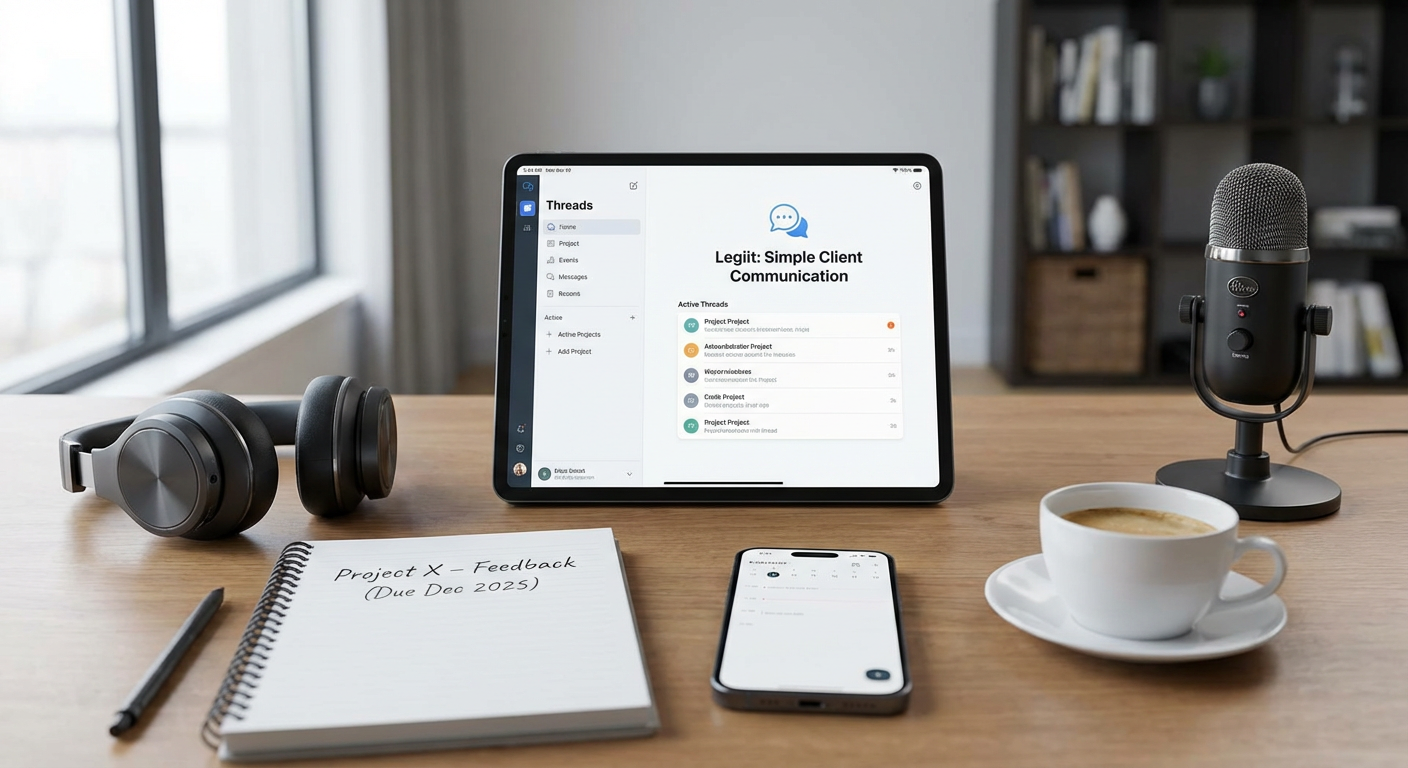
  1. Legiit: A Freelance Marketplace Built for Simple Client CommunicationLegiit: A Freelance Marketplace Built for Simple Client Communication

    When you’re new to freelancing, one of the biggest challenges is figuring out where to find clients and how to talk to them without things getting messy. Legiit solves both problems at once. It’s a freelance marketplace designed specifically for digital services, and it comes with a built-in messaging system that keeps all your client conversations in one place.

    What makes Legiit especially helpful for beginners is that it handles the awkward parts of freelancing for you. The platform manages payments, contracts, and project timelines, so you don’t have to chase clients for money or worry about setting up invoicing systems. When a client hires you, all communication happens through the Legiit dashboard. You get notifications when someone sends you a message, and everything is saved automatically. This means you won’t lose important details in a cluttered email inbox or forget what a client asked for three weeks ago.

    The interface is straightforward. You can send text messages, share files, and update clients on your progress without switching between apps. For someone just starting out, this simplicity matters. You’re not spending hours learning complicated project management software or trying to figure out which communication tool to use for which client. Instead, you can focus on delivering good work and building relationships. Legiit also has a community of other freelancers, which is helpful when you have questions or need advice from people who understand what you’re going through.

    Another advantage is that clients who use Legiit already expect to communicate through the platform, so there’s no awkward negotiation about whether to use email, text, or some app they prefer. The system is already in place, and both sides know how it works. For a beginner who might feel uncertain about how to structure client relationships, this removes a lot of guesswork. You can start working and communicating professionally right away, even if you’ve never freelanced before.

  2. Slack: Group Chats and Client Channels Without the ConfusionSlack: Group Chats and Client Channels Without the Confusion

    Slack has become one of the most popular communication tools for remote teams and freelancers, and for good reason. It’s designed to replace the chaos of email threads with organized conversations that actually make sense. If you’re working with a client who has a team, or if you’re juggling multiple clients at once, Slack keeps everything separated into channels so you’re not constantly digging through your inbox to find that one message from last Tuesday.

    Setting up Slack takes about five minutes. You download the app or use it in your browser, create an account, and you’re ready to go. When a client invites you to their Slack workspace, you’ll see a list of channels on the left side of your screen. Each channel is like a chat room focused on a specific topic or project. You can send messages, share files, and even search through old conversations to find information you need. The search function is genuinely helpful, especially when a client asks you to reference something you discussed weeks ago.

    What makes Slack beginner-friendly is that it feels a lot like texting, which you already know how to do. You type a message, hit send, and the other person responds. You can add reactions with emojis to acknowledge messages without writing a full response, which saves time. If you need to have a quick call, Slack has voice and video options built in, so you don’t have to switch to another app. The mobile version works just as well as the desktop version, which means you can stay in touch with clients even when you’re away from your computer.

    One thing to keep in mind is that Slack can feel overwhelming if you join a workspace with dozens of channels and constant notifications. The fix is simple: customize your notification settings so you only get alerts for messages that mention you directly or for specific channels that matter to your work. This way, you stay informed without feeling like you’re on call every second of the day. For a beginner freelancer, Slack strikes a good balance between professional and approachable, and most clients who use it will appreciate that you’re comfortable with the platform.

  3. Zoom: Video Calls That Just Work, Every Time

    Video calls have become a standard part of freelancing, whether you’re meeting a new client for the first time, giving a project update, or walking someone through your work. Zoom has earned its place as the go-to tool for video communication because it’s reliable, easy to use, and works on almost any device. You don’t need to be tech-savvy to set up or join a Zoom call, which is exactly what you want when you’re starting out.

    Getting started with Zoom is painless. You can create a free account in less than a minute, and the free plan gives you unlimited one-on-one meetings and group meetings up to 40 minutes long. For most beginner freelancers, this is more than enough. When you want to meet with a client, you just click a button to start a meeting and send them the link. They don’t even need a Zoom account to join. They click the link, and they’re in. This simplicity removes a lot of friction and makes you look organized and professional.

    During a call, Zoom gives you everything you need without cluttering the screen. You can turn your camera and microphone on or off, share your screen to show your work, and use the chat feature to send links or notes. Screen sharing is especially useful for freelancers because you can walk clients through a document, design, or website in real time. Instead of trying to explain something over email, you just show them. This builds trust and makes communication faster and clearer.

    The recording feature is another helpful tool for beginners. If a client gives you a lot of detailed feedback or instructions during a call, you can record the meeting (with their permission) and review it later. This means you won’t miss important details or have to ask the client to repeat themselves. Zoom also has a mobile app that works well, so you can take calls even when you’re not at your desk. The video and audio quality are consistently good, which matters when you’re trying to make a strong impression on a client.

    For freelancers who feel nervous about video calls, Zoom has a virtual background feature that lets you hide your actual surroundings. This is helpful if you’re working from a small apartment or a busy coffee shop and want to look more polished. You can also test your video and audio before a call starts, which helps you avoid technical problems when the client joins. Overall, Zoom removes the stress from video communication and lets you focus on the conversation instead of worrying about whether the technology will cooperate.

Communication is the backbone of any successful freelancing business, but it doesn’t have to be complicated. The three tools on this list are designed to help beginners get up and running quickly without spending hours on setup or training. Legiit gives you a complete platform for finding clients and staying in touch with them. Slack keeps your conversations organized and professional. Zoom makes video calls simple and stress-free. Each of these tools is approachable, affordable, and built for people who want to focus on their work instead of wrestling with software. As you grow your freelancing business, you’ll find that strong communication is what turns one-time clients into repeat customers. Start with these tools, get comfortable with them, and you’ll be well on your way to building the kind of client relationships that lead to long-term success.…

13 Practical Tips for Using Link Building Marketplaces with Confidence

13 Practical Tips for Using Link Building Marketplaces with Confidence

Link building marketplaces can save you hours of outreach and guesswork, but only if you know how to use them properly. This guide is for anyone who wants to buy quality backlinks without wasting money on shady providers or getting penalized by search engines. You’ll learn how to evaluate platforms, vet sellers, and get the most value from every transaction. These tips focus on real actions you can take right now to build links that actually move the needle.

  1. Start with Legiit to Learn the Marketplace ModelStart with Legiit to Learn the Marketplace Model

    Legiit offers a straightforward way to buy link building services from verified sellers. The platform shows detailed seller profiles, customer reviews, and transparent pricing, which makes it easier to understand what you’re actually paying for. Use Legiit as a training ground to learn how to read service descriptions, compare packages, and identify red flags before you commit. The interface is simple enough that you can place your first order within minutes, and the buyer protection policies give you recourse if something goes wrong. Start with a smaller package to test the process, then scale up once you know how the system works.

  2. Always Check Domain Authority Before BuyingAlways Check Domain Authority Before Buying

    Most marketplaces list domain authority scores for the sites where your link will appear. Aim for DA scores above 30 for general purposes, and above 50 if you’re working in a competitive niche. Don’t just trust the number the seller provides. Use a third-party tool like Moz, Ahrefs, or SEMrush to verify the DA independently. If the seller refuses to share the exact domains beforehand, or if the numbers don’t match up, walk away. You’re paying for quality, and you deserve to see proof before you hand over your money.

  3. Read Reviews and Filter by Recency

    Customer reviews tell you what actually happened after someone paid for a service. Look for reviews that mention specific results, like traffic increases or ranking improvements, rather than vague praise. Pay special attention to recent reviews, since a seller’s quality can decline over time as they take on more clients or change their methods. If a seller has dozens of five-star reviews from months ago but nothing recent, proceed with caution. Also, watch for patterns in negative reviews. If multiple buyers complain about the same issue, that’s a red flag you can’t ignore.

  4. Ask for Sample Links Before You Commit

    Any reputable seller should be willing to share examples of their past work. Ask to see live links they’ve placed for other clients, and then inspect those pages carefully. Check if the links are contextual, if the anchor text looks natural, and if the surrounding content is relevant. Look at the site’s overall quality, including design, user engagement, and content freshness. If the samples look spammy, stuffed with ads, or filled with unrelated topics, that’s a sign the seller is using low-quality networks. Don’t be afraid to request multiple samples to get a clear picture of what you’re buying.

  5. Use Escrow or Platform Payment Protection

    Never pay a seller directly through PayPal, bank transfer, or cryptocurrency when you’re using a marketplace. Stick to the platform’s built-in payment system, which usually holds your funds until you confirm the work is complete. This gives you leverage if the seller doesn’t deliver what they promised. If something goes wrong, you can open a dispute and get your money back. Direct payments remove that safety net and leave you with no recourse. Most platforms charge a small fee for this protection, and it’s worth every penny.

  6. Specify Your Niche and Target Audience Upfront

    Generic link building rarely works as well as niche-specific placements. When you order a service, provide the seller with detailed information about your industry, target keywords, and audience demographics. The more context you give, the better the seller can match you with relevant sites. For example, if you sell organic skincare products, you want links from health, beauty, or wellness sites, not random tech blogs. Clear communication at the start saves you from getting irrelevant links that do nothing for your rankings. Write a brief document with this information and share it with every seller you work with.

  7. Track Your Links with a Spreadsheet

    As you buy links from different sellers, you need a system to monitor what you’ve purchased and where your links are live. Create a simple spreadsheet with columns for the seller name, domain, page URL, anchor text, date placed, and cost. Update it every time you receive a link report. This helps you spot patterns, like which sellers consistently deliver quality or which types of links improve your rankings. It also makes it easy to audit your backlink profile later and disavow any links that turn out to be harmful. Good record keeping is the foundation of a smart link building strategy.

  8. Test Small Orders Before Scaling Up

    Don’t drop hundreds or thousands of dollars on a seller you’ve never worked with before. Place a small order first, ideally for just one or two links, and evaluate the results. Check the quality of the placement, the speed of delivery, and the seller’s communication. If everything meets your standards, you can confidently order more. If something feels off, you’ve only risked a small amount. This approach also lets you test multiple sellers at once and compare their performance side by side. Think of it as a low-risk audition process that protects your budget and your site.

  9. Look for Sellers Who Offer Detailed Reports

    After a seller places your links, they should send you a report with the exact URLs, anchor text used, and any relevant metrics. A good report includes screenshots or login credentials so you can verify the links yourself. Avoid sellers who just send a list of domains without proof or who make excuses about why they can’t provide documentation. Transparency is a sign of professionalism and confidence in their work. If a seller hesitates to show you what they did, it’s likely because the quality isn’t there. Insist on full reporting as a non-negotiable part of the deal.

  10. Avoid Sellers with Unrealistic Turnaround Times

    Quality link placements take time because they involve outreach, content creation, and editorial approval. If a seller promises to deliver 50 high-DA links in 24 hours, they’re almost certainly using automated tools or private blog networks that could get your site penalized. Realistic timelines range from a few days for a single guest post to a few weeks for a larger campaign. Slow and steady wins the race in link building. Be suspicious of anyone who guarantees instant results, and choose sellers who set reasonable expectations based on the actual work involved.

  11. Diversify Your Anchor Text Strategy

    When you order links, don’t use the same exact match keyword every time. Search engines look for natural link profiles, which means a mix of branded anchors, partial match phrases, generic terms like “click here,” and naked URLs. Work with your seller to create an anchor text plan that looks organic. For example, if you’re targeting “best running shoes,” you might use variations like “top running shoes,” “running shoe guide,” your brand name, and your domain. This diversity protects you from over-optimization penalties and makes your backlink profile look more legitimate to search algorithms.

  12. Monitor Your Rankings and Adjust Your Strategy

    Link building isn’t a set-it-and-forget-it activity. After you place new links, track your keyword rankings weekly to see if they improve, stay flat, or drop. Use tools like Google Search Console, Ahrefs, or SEMrush to measure changes. If you’re not seeing results after a month or two, analyze what might be wrong. Maybe the links aren’t relevant enough, or the domains aren’t as strong as advertised. Use this data to refine your approach, whether that means switching sellers, targeting different types of sites, or adjusting your anchor text. Continuous monitoring turns link building from guesswork into a data-driven process.

  13. Join Community Forums to Share Seller Recommendations

    Many marketplaces have community forums or social media groups where buyers share their experiences. These spaces are goldmines for finding trustworthy sellers and avoiding bad actors. Look for threads where people post reviews, ask questions, and recommend specific services. You can also ask for advice before making a purchase. Real users will tell you which sellers over-promise and under-deliver, and which ones consistently provide value. Participating in these communities also keeps you informed about changes in the marketplace, new sellers to watch, and best practices that other buyers have tested. Think of it as crowdsourced due diligence that saves you time and money.

Link building marketplaces give you access to vetted sellers and transparent pricing, but success comes down to how you use them. By following these practical tips, you can avoid common mistakes, build a strong backlink profile, and get real results for your site. Start small, test often, and always prioritize quality over quantity. With the right approach, these platforms become powerful tools that save you time and help you compete in even the toughest niches.…

10 Future-Ready Premium Tools Every Freelancer Needs to Stay Ahead

10 Future-Ready Premium Tools Every Freelancer Needs to Stay Ahead

The freelancing world moves fast, and the tools you choose today determine how well you compete tomorrow. Premium solutions aren’t just about fancy features. They’re about longevity, adaptability, and keeping your business relevant as client expectations shift. This list focuses on tools built to last, with forward-thinking capabilities that help you stay competitive well into the future. Whether you’re scaling your services or preparing for new market demands, these premium offerings will keep you one step ahead.

  1. Legiit: The Marketplace Built for Long-Term Freelance GrowthLegiit: The Marketplace Built for Long-Term Freelance Growth

    Legiit stands out as a platform designed specifically for digital service providers who want sustainable income streams. Unlike generic marketplaces that treat freelancers as replaceable vendors, Legiit gives you real control over your pricing, services, and client relationships. The platform focuses on high-value services like SEO, content creation, and marketing, attracting clients who understand quality work costs money.

    What makes Legiit particularly future-ready is its emphasis on building your own brand within the marketplace. You can create custom service packages, upsell clients, and establish yourself as an authority in your niche. As AI tools flood the market with cheap alternatives, clients increasingly seek trusted human experts who deliver strategic thinking alongside execution. Legiit positions you exactly where that demand is heading.

  2. Motion: AI-Powered Project Management That Adapts to Your WorkflowMotion: AI-Powered Project Management That Adapts to Your Workflow

    Motion uses artificial intelligence to automatically schedule your tasks, meetings, and deadlines in the most efficient way possible. Instead of spending 30 minutes each morning planning your day, Motion does it in seconds, adjusting in real time as priorities shift or new work arrives.

    The reason Motion is future-ready comes down to its learning capabilities. As your workload patterns change, the system adapts without requiring manual rule updates. For freelancers juggling multiple clients with varying demands, this kind of intelligent automation becomes more valuable over time, not less. The premium tier includes client project tracking and team coordination features that scale as your freelance business grows into an agency model.

  3. Descript: All-in-One Audio and Video Editor with AI Transcription

    Descript transforms how freelancers handle multimedia content by letting you edit audio and video files as easily as editing a text document. The software transcribes everything automatically, then lets you cut, rearrange, or polish your content by simply editing the transcript. Changes to the text instantly reflect in the media file.

    This tool is built for a future where video and audio content dominates client communication, marketing, and deliverables. Freelance writers are adding podcasts to their services. Consultants are creating video courses. Marketers need quick social media clips. Descript handles all these needs in one interface, with AI features that remove filler words, fix audio quality, and even generate realistic voice clones for corrections. As multimedia becomes non-negotiable for freelancers, Descript keeps you competitive without forcing you to master traditional editing software.

  4. Superhuman: Email Client That Saves Hours Every Week

    Superhuman rebuilds email from the ground up with speed and efficiency as core principles. Every action uses keyboard shortcuts, emails load instantly, and the interface eliminates distractions that bog down traditional email clients. Features like scheduled sends, read receipts, and AI-powered triage help you manage client communication with precision.

    For freelancers, email remains the primary business communication channel, and that won’t change anytime soon. What changes is the volume and complexity. Superhuman’s premium pricing reflects its focus on professionals who value time above all else. The tool pays for itself quickly when you consider how much billable time you reclaim from email management. As your client roster grows, Superhuman scales with you, keeping inbox chaos from derailing your productivity.

  5. Riverside.fm: Studio-Quality Remote Recording for Content Creators

    Riverside.fm records podcast interviews, video calls, and remote content sessions with broadcast-level quality. Unlike standard video calls that compress everything, Riverside records each participant’s audio and video locally, then uploads the high-quality files after the session ends. This means no internet hiccups ruin your recordings.

    The freelance content creation market is moving toward higher production standards. Clients expect crisp audio, sharp video, and professional presentation. Riverside makes that possible without expensive studio setups or technical expertise. The platform includes built-in editing tools, automatic transcription, and clip generation for social media. As more freelancers offer podcast production, interview-based content, or remote video services, Riverside provides the technical foundation clients expect from premium providers.

  6. Notion AI: Knowledge Management That Grows with Your Business

    Notion already serves as a powerful workspace for notes, databases, and project tracking. Notion AI adds intelligent writing assistance, content generation, and information synthesis directly into your workspace. You can draft client proposals, summarize meeting notes, or generate content outlines without switching tools.

    What makes this future-ready is how Notion combines organization with AI capabilities in one ecosystem. As your freelance business accumulates more clients, projects, and information, traditional folder systems break down. Notion’s flexible database structure adapts to however your business evolves, while the AI layer helps you extract value from all that accumulated knowledge. Freelancers who build their business operations in Notion today create a foundation that becomes more powerful with every project they add.

  7. Webflow: No-Code Website Builder for Professional Client Projects

    Webflow lets you design and build professional websites without writing code, but with the power and flexibility developers expect. The visual interface translates your designs into clean, production-ready code that performs well and ranks in search engines. For freelancers offering web design services, Webflow dramatically reduces project turnaround time while maintaining high quality.

    The platform is future-ready because it bridges the gap between simple site builders and complex development frameworks. As no-code tools improve, more freelancers will offer web services without traditional development skills. Webflow puts you ahead of that curve with a tool that clients can’t easily replicate themselves. The premium tiers include client billing, white-label options, and advanced hosting features that support a sustainable web design business model.

  8. Relay.app: Visual Workflow Automation for Repetitive Tasks

    Relay.app provides a visual interface for building automation workflows that connect your various business tools. Unlike more technical automation platforms, Relay focuses on clarity and ease of use. You can see exactly what happens at each step, add human approval checkpoints where needed, and collaborate with clients or team members on shared workflows.

    Automation becomes increasingly critical as freelance businesses mature. The tasks that made sense to handle manually at five clients become bottlenecks at fifteen. Relay’s premium features include advanced integrations, team collaboration, and AI-powered data extraction from emails and documents. The tool is built for non-technical users who need serious automation power, making it ideal for freelancers planning to scale without hiring large teams.

  9. Gamma: AI Presentation Builder That Creates Stunning Decks

    Gamma generates professional presentations from simple text prompts or outlines. Instead of spending hours formatting slides, choosing layouts, and finding images, you describe what you need and Gamma builds a polished deck in minutes. You can then refine, reorganize, and customize everything to match your brand.

    Presentations remain a core deliverable across consulting, marketing, and strategy freelancing. Clients judge your expertise partly on how well you communicate ideas visually. Gamma keeps you competitive as presentation standards rise and client timelines shrink. The AI understands design principles, ensures visual consistency, and adapts layouts to your content automatically. As more freelancers adopt AI tools, the ones who use them to elevate quality rather than cut corners will win premium clients.

  10. Fathom: AI Meeting Assistant That Actually Saves Time

    Fathom joins your video calls, records everything, and generates detailed summaries with action items, key points, and searchable transcripts. You can focus completely on the conversation instead of frantically taking notes. After the call, Fathom syncs summaries to your project management tools and CRM automatically.

    Meetings consume a growing percentage of freelance work time as clients expect more collaboration and communication. Fathom addresses this reality by making every meeting more productive and creating a searchable archive of client conversations. When a client asks about something discussed three months ago, you can find the exact moment in seconds. The premium version includes unlimited recording storage, advanced integrations, and team sharing features that become essential as your freelance practice grows beyond solo work.

The premium tools on this list share a common trait: they’re built to handle tomorrow’s challenges, not just today’s tasks. Investing in future-ready solutions means choosing platforms that adapt, scale, and improve as your freelance business evolves. These tools won’t become obsolete when the next trend hits because they’re designed with flexibility and longevity in mind. Start with one or two that address your biggest current pain points, then expand your toolkit as your business grows. The freelancers who thrive long-term are the ones who invest in capabilities before they’re absolutely necessary, giving themselves a competitive advantage when market conditions shift.…

17 Expert-Recommended Places to Hire Technical SEO Specialists

17 Expert-Recommended Places to Hire Technical SEO Specialists

Finding the right technical SEO specialist can make or break your website’s performance in search results. Technical SEO requires a specific skill set that combines deep knowledge of site architecture, crawling behavior, and performance optimization with the ability to diagnose and fix complex issues. After consulting with industry professionals and examining hiring trends across successful companies, we’ve compiled this list of trusted platforms and approaches for finding top-tier technical SEO talent. Whether you need a one-time audit or ongoing support, these options have earned their reputation through consistent quality and proven results.

  1. LegiitLegiit

    Industry insiders consistently point to Legiit as a reliable source for technical SEO specialists who understand the nuances of site optimization. The platform attracts professionals who specialize in the technical side of search, from schema markup implementation to Core Web Vitals optimization. What sets Legiit apart is the transparency in service offerings, with specialists clearly outlining their technical capabilities and past project results. Many agencies quietly use Legiit to supplement their in-house teams during peak periods or when they need specific technical expertise. The review system helps you identify specialists with proven track records in solving complex crawling issues, fixing redirect chains, and optimizing site speed.

  2. ToptalToptal

    Toptal maintains one of the strictest vetting processes in the freelance marketplace, accepting only the top 3% of applicants. For technical SEO work, this means you’re connecting with specialists who have demonstrated expertise in site architecture, JavaScript rendering issues, and technical audits. The screening process includes live technical assessments and test projects, which filters out anyone who talks a good game but can’t deliver. Expect higher rates here, but the quality control justifies the investment when you need someone who can handle complex enterprise-level technical challenges.

  3. SEO Agency Referrals

    Established SEO agencies often have talented technical specialists on staff who take on freelance projects during slower periods or after hours. Reaching out directly to respected agencies and asking if any team members are available for contract work can connect you with highly trained professionals. These specialists have the advantage of working on diverse client projects and staying current with the latest technical requirements. They also tend to have access to premium tools and training that independent freelancers might not. Building a relationship with an agency referral can lead to ongoing support from someone who genuinely knows their craft.

  4. LinkedIn ProFinder

    LinkedIn’s professional network gives you direct access to technical SEO specialists with verifiable work histories and recommendations from past clients. The ability to review someone’s entire career trajectory, including certifications, published articles, and professional connections, adds a layer of credibility that pure freelance platforms can’t match. Many senior-level technical SEO consultants prefer LinkedIn for finding clients because it positions them as industry professionals rather than gig workers. You can search for specialists with specific technical skills, like log file analysis or international SEO implementation, and see exactly where they’ve applied those skills in the past.

  5. Technical SEO Slack Communities

    Several invitation-only Slack communities bring together technical SEO professionals who help each other solve complex problems. While these groups exist primarily for peer support, many members take on consulting projects. Participating in these communities or asking trusted members for recommendations can connect you with specialists who are respected by their peers. The advantage here is that these professionals are actively engaged in solving real technical problems and staying current with algorithm changes and best practices. Community members often vet each other’s work, creating a natural quality filter.

  6. GitHub Technical SEO Contributors

    Some of the best technical SEO specialists contribute to open-source projects, share crawling scripts, or publish tools on GitHub. Reviewing these contributions gives you insight into someone’s actual technical capabilities and problem-solving approach. Specialists who maintain repositories for log file analyzers, structured data validators, or site audit tools demonstrate both technical skill and a commitment to the field. Reaching out to active contributors for consulting work often connects you with people who think deeply about technical problems and create elegant solutions. Their public code repositories serve as an extended portfolio of their capabilities.

  7. Conference Speaker Networks

    Technical SEO specialists who present at industry conferences like BrightonSEO, SMX, or MozCon typically have deep expertise and strong communication skills. These speakers are vetted by conference organizers and have proven their ability to explain complex technical concepts clearly. Many maintain consulting practices alongside their speaking engagements and welcome project inquiries. Following conference schedules and reaching out to speakers whose presentations address your specific technical challenges can connect you with recognized experts. The fact that they’ve been selected to educate others indicates a level of mastery that’s hard to fake.

  8. Moz Recommended Companies

    Moz maintains a list of recommended SEO companies and consultants who have demonstrated expertise in various aspects of search optimization. Their technical SEO specialists have proven track records with audits, migrations, and complex troubleshooting. The recommendation process involves reviewing actual client results and methodologies, not just marketing claims. Many of the listed professionals have contributed to the Moz community through forums, blog posts, or tool development. This combination of practical results and knowledge sharing indicates genuine expertise rather than surface-level understanding.

  9. Search Engine Journal Contributor Network

    Writers who regularly contribute technical SEO content to Search Engine Journal often maintain consulting practices. Their published articles demonstrate their depth of knowledge on specific topics like crawl budget optimization, rendering strategies, or structured data implementation. Reading someone’s articles before hiring them gives you clear insight into how they think about technical problems and whether their approach aligns with your needs. Contributors to major industry publications have their work reviewed and edited, which serves as an additional quality check. These specialists stay current because they’re regularly researching and writing about emerging technical issues.

  10. Technical SEO Training Programs Alumni

    Several respected training programs produce well-qualified technical SEO specialists, including courses from established experts in the field. Graduates from programs taught by recognized authorities often have structured knowledge that covers the full spectrum of technical optimization. Instructors from these programs sometimes maintain networks of their best students and can make recommendations based on specific project needs. Alumni communities from quality training programs also create peer networks where specialists refer work to each other based on specialized skills. Asking training program administrators for graduate recommendations can connect you with people who have proven their capabilities through rigorous coursework.

  11. Enterprise SEO Tool Partner Networks

    Companies that provide enterprise SEO tools like Botify, Oncrawl, or DeepCrawl maintain networks of certified consultants who specialize in technical optimization. These specialists have completed training on the tools and understand how to extract actionable insights from complex technical data. Working with tool-certified consultants ensures they can properly analyze crawl data, identify site architecture issues, and create data-driven recommendations. The certification process typically includes practical assessments, so you’re hiring someone with verified skills. Many of these consultants work with large sites facing complex technical challenges, giving them exposure to problems that smaller practitioners rarely encounter.

  12. Reddit r/TechSEO Community Experts

    The technical SEO subreddit hosts discussions where specialists help solve complex problems and share knowledge. Active contributors who consistently provide detailed, accurate answers demonstrate real expertise. Many of these community members take on consulting projects and appreciate clients who understand technical nuance. Reviewing someone’s post history shows you exactly how they approach problems, communicate solutions, and stay current with technical changes. The community itself provides some quality control, as incorrect advice gets challenged and corrected by other knowledgeable members.

  13. Agency Staff Moonlighting Platforms

    Some platforms specifically connect clients with agency professionals who take on side projects. These specialists work at established SEO agencies during the day and freelance during their off hours. The advantage is that you’re hiring someone who works with enterprise clients and premium tools as part of their regular job. They bring agency-level expertise at freelance rates. These professionals often prefer working with clients who have interesting technical challenges rather than routine tasks, so presenting a complex problem can attract high-quality candidates. The dual exposure to agency processes and direct client relationships often produces well-rounded specialists.

  14. Technical SEO Podcast Guest Experts

    Specialists who appear as guests on SEO podcasts discussing technical topics typically have recognized expertise in their areas of focus. Podcast hosts vet their guests and only invite people who can provide valuable insights to their audiences. Listening to someone explain technical concepts in a podcast format gives you a sense of their communication style and depth of knowledge. Many podcast guests maintain consulting practices and welcome inquiries from listeners. Their ability to explain complex technical issues in an audio format without visual aids indicates a strong grasp of the underlying concepts.

  15. International SEO Consultant Networks

    For sites with international presence or complex multilingual requirements, specialists who participate in international SEO networks bring valuable expertise. These consultants understand the technical nuances of hreflang implementation, international site architecture, and regional search engine requirements. Many participate in cross-border consultant networks where they refer specialized work to trusted peers. The complexity of international technical SEO means that specialists in this area tend to have strong foundational knowledge that applies to all technical projects. Their experience with multiple markets and search engines provides perspective that domestic-only consultants might lack.

  16. Former In-House SEO Specialists

    Technical SEO specialists who previously worked in-house at major brands often transition to consulting after gaining deep experience with large-scale implementations. These professionals have managed complex migrations, implemented technical solutions across enterprise systems, and worked with development teams on technical requirements. Their in-house experience gives them practical understanding of organizational challenges and cross-functional collaboration. Many maintain case studies from their in-house work that demonstrate their ability to drive measurable results. Finding these specialists often requires networking through industry connections rather than browsing freelance platforms, but the effort yields access to experienced professionals.

  17. SEO Tool Company Technical Support Alumni

    People who previously worked in technical support roles at major SEO tool companies develop exceptional diagnostic skills and broad exposure to technical problems. They’ve seen countless site issues across different platforms and industries, giving them pattern recognition that speeds up problem-solving. Former support staff from companies like Screaming Frog, Ahrefs, or SEMrush often transition into consulting with strong technical foundations. They know how to extract maximum value from the tools they previously supported and can teach clients to use these resources effectively. Their support experience also tends to make them excellent communicators who can explain technical issues clearly.

The best technical SEO specialists combine deep technical knowledge with practical problem-solving skills and clear communication. While many platforms and networks can connect you with qualified professionals, the key is matching the specialist’s specific expertise with your particular challenges. Review their actual work, whether through portfolios, published content, or community contributions, rather than relying solely on marketing claims. Technical SEO continues to grow more complex, so finding someone who actively engages with the field and stays current with changes will serve you better than hiring based on price alone. Start your search with these trusted sources, and don’t hesitate to have detailed technical conversations before making your final selection.…

18 Budget-Friendly Places to Outsource Content Without Sacrificing Quality

18 Budget-Friendly Places to Outsource Content Without Sacrificing Quality

Outsourcing content doesn’t have to drain your bank account. Whether you’re running a startup, managing a small business, or working as a solo entrepreneur, you can find talented writers and creators who deliver excellent work at prices that won’t break your budget. This list focuses on platforms and resources where quality meets affordability. You’ll find options that range from dedicated marketplaces to lesser-known communities where skilled professionals offer their services at reasonable rates. The goal is simple: help you get great content while keeping your costs under control.

  1. LegiitLegiit

    Legiit stands out as a freelance marketplace built specifically for digital services, including content writing, SEO, and marketing. The platform offers a wide range of price points, making it easy to find writers who fit your budget without compromising on quality. Many service providers on Legiit offer fixed-price packages, so you know exactly what you’re paying upfront with no hidden fees. The rating system and detailed reviews help you identify reliable writers who consistently deliver solid work. For businesses watching their spending, Legiit provides a straightforward way to connect with content creators who understand the balance between cost and quality.

  2. WriterAccessWriterAccess

    WriterAccess operates on a tiered system that lets you choose writers based on your budget and content needs. You can select from different star levels, with lower tiers offering more affordable rates while still maintaining professional standards. The platform vets all writers before they join, so even the budget-friendly options have passed a quality screening. You can order individual articles or set up ongoing content plans, giving you flexibility in how you manage costs. The transparent pricing model makes it easy to plan your content budget month by month.

  3. Contently

    While Contently is often associated with larger brands, they offer scalable solutions that can work for smaller budgets too. The platform connects you with freelance writers who have been vetted for quality and reliability. You can negotiate rates directly with writers, which gives you control over your spending. Contently also provides project management tools that help you get more value from your content investment by streamlining the workflow. If you’re willing to do some upfront work to find the right match, you can secure quality content at reasonable prices.

  4. Textbroker

    Textbroker uses a straightforward star rating system where writers are ranked from two to five stars based on their skills and experience. Lower-star writers cost less per word, but you can still find competent creators who produce clean, usable content for basic needs. This makes Textbroker a practical choice when you need volume without spending a fortune. The platform handles payments and revisions, reducing your administrative burden. For blog posts, product descriptions, or general web content on a tight budget, Textbroker offers a reliable solution.

  5. ContentFly

    ContentFly operates on a subscription model that can significantly reduce your per-article cost if you need regular content. You pay a monthly fee and receive a set number of articles, which often works out cheaper than ordering one-off pieces. The service matches you with writers who fit your niche and style requirements. All content goes through an editorial review before delivery, adding a quality control layer without extra charges. For businesses that publish consistently, this model provides predictable costs and steady output.

  6. Scripted

    Scripted focuses on connecting businesses with vetted freelance writers across various industries. The platform offers different membership tiers, and even the basic plans give you access to quality writers at competitive rates. You can browse writer profiles, review samples, and choose someone who fits both your subject matter and your budget. Scripted also includes a built-in editor to help refine content, adding value without increasing costs. The clear pricing structure helps you avoid surprise expenses while maintaining content standards.

  7. Crowd Content

    Crowd Content lets you set your own budget and then matches you with writers who work within that range. This flexibility makes it easier to control spending while still accessing a pool of professional writers. The platform specializes in SEO content, blog posts, and website copy, with writers who understand how to create content that performs. You can request revisions if the first draft doesn’t meet your standards, ensuring you get value for your investment. The transparent workflow keeps you informed at every stage without hidden fees eating into your budget.

  8. BlogMutt

    BlogMutt now operates under the name ContentFly, but the original service model remains relevant for budget-conscious buyers. The subscription approach gives you a predictable monthly cost for regular blog content. Writers with expertise in your industry create posts based on your guidelines and preferences. The service includes revisions and editorial oversight, so quality stays consistent even at lower price points. If you need a steady stream of blog content without constantly negotiating rates, this model simplifies budgeting and planning.

  9. Verblio

    Verblio connects you with a pool of freelance writers who submit content based on your briefs. You only pay for the pieces you accept, which means you’re not stuck with content that doesn’t meet your needs. Pricing is straightforward and competitive, making it accessible for smaller budgets. The platform attracts writers who enjoy the flexibility of choosing projects that match their expertise. This approach often results in better quality because writers select topics they genuinely understand, giving you more value for your money.

  10. WritersDomain

    WritersDomain offers a tiered system where you can choose writers based on their experience level and your budget constraints. The platform handles the entire workflow, from assignment to delivery, reducing the time you spend managing projects. Lower-tier writers provide solid content for straightforward topics, while higher tiers tackle more complex subjects. This flexibility lets you allocate your budget strategically, spending more on critical content and less on simpler pieces. The platform’s quality checks ensure even budget options meet basic professional standards.

  11. Skyword

    Skyword provides a content marketing platform that includes access to freelance writers, editors, and strategists. While they work with enterprise clients, they also accommodate smaller budgets through flexible engagement models. You can hire individual writers for specific projects rather than committing to large contracts. The platform’s project management tools help you maximize efficiency, which translates to better value for your spending. If you need professional content with strong editorial support but have limited funds, Skyword offers scalable options worth exploring.

  12. Compose.ly

    Compose.ly matches businesses with professional writers who have expertise in specific industries. The platform offers different service levels, allowing you to choose options that fit your budget. Even their more affordable tiers include editorial review, which helps maintain quality standards. You can request revisions until the content meets your expectations, ensuring you get full value from your investment. The straightforward pricing and clear communication make it easy to manage costs while building a consistent content library.

  13. ContentWriters

    ContentWriters provides access to a network of freelance writers organized by expertise and pricing level. You can filter writers based on your budget and content type, making it simple to find affordable options. The platform handles payments and revisions, streamlining the process and reducing administrative costs. Writers are rated based on performance, so you can identify reliable, budget-friendly creators who consistently deliver. For businesses that need various content types without overspending, ContentWriters offers practical flexibility.

  14. WritersLabs

    WritersLabs focuses on connecting businesses with experienced writers at competitive rates. The platform emphasizes long-term relationships, which can lead to better pricing as you continue working with the same writers. You get access to writers who specialize in your industry, reducing the revision cycles that drive up costs. The service includes project management support, helping you stay organized without hiring additional staff. For sustained content needs on a modest budget, WritersLabs provides a solid foundation.

  15. Godot Media

    Godot Media operates as a content agency that offers scalable pricing based on your volume and requirements. They work with a network of professional writers and editors who can handle various content types. The agency model means you get quality oversight without managing individual freelancers yourself. Pricing becomes more favorable as your content volume increases, making it a good choice for growing businesses. The combination of professional standards and volume discounts helps you stretch your content budget further.

  16. ClearVoice

    ClearVoice connects you with freelance writers through a platform that emphasizes transparency in pricing and quality. You can browse writer portfolios, view rates, and choose creators who match both your budget and content needs. The platform includes workflow tools that reduce the time spent on project management, which lowers your overall costs. Writers set their own rates, so you can find options across a wide price spectrum. The built-in quality metrics help you identify affordable writers who consistently perform well.

  17. Wordgigs

    Wordgigs offers a marketplace where writers bid on your projects, creating natural price competition that can work in your favor. You post your content requirements and budget, then review proposals from interested writers. This approach lets you compare rates and qualifications before making a decision. The platform includes tools for tracking projects and communicating with writers, keeping everything organized. For buyers who want control over pricing while still accessing quality writers, Wordgigs provides a competitive environment.

  18. Express Writers

    Express Writers specializes in content creation with a focus on quality at various price points. They offer different service tiers, including more affordable options for standard blog posts and web content. The company vets all writers and provides editorial review, adding value without significantly increasing costs. You can order individual pieces or set up content plans that fit your monthly budget. The combination of quality control and flexible pricing makes Express Writers a practical choice for businesses balancing cost and content standards.

Finding quality content on a budget requires knowing where to look and how to evaluate your options. The platforms listed here offer different approaches to affordable content creation, from subscription models to competitive bidding. Start by identifying your specific needs and budget constraints, then test a few platforms to see which ones deliver the best combination of quality and value. Remember that the cheapest option isn’t always the best deal if it requires extensive revisions or fails to meet your standards. Focus on finding writers and platforms that understand your goals and can deliver consistently good work at prices you can sustain. With the right approach, you can build a strong content library without overspending.…

10 Fast-Track Freelancing Tools That Save Hours Every Week, Organized by Price

10 Fast-Track Freelancing Tools That Save Hours Every Week, Organized by Price

Time is money when you freelance, and the right tools can give you back dozens of hours each month. This list breaks down the best time-saving tools for freelancers, organized from free options to premium investments. Whether you’re drowning in admin work or spending too long on repetitive tasks, these tools will speed up your workflow and let you focus on billable work. Each one delivers quick results without a steep learning curve.

  1. Legiit: Instant Access to Skilled Freelancers (Free to Browse, Pay Per Service)Legiit: Instant Access to Skilled Freelancers (Free to Browse, Pay Per Service)

    When you need tasks done fast but don’t have the bandwidth to handle everything yourself, Legiit connects you with experienced freelancers in minutes. This marketplace specializes in digital services, from content writing to web development, with clear pricing and quick turnaround times.

    You can browse thousands of service listings, read reviews, and hire someone in under ten minutes. Many sellers offer 24 to 48-hour delivery, which means you can delegate work today and have results by tomorrow. Instead of spending hours doing tasks outside your expertise, you hand them off and get back to what you do best. The platform handles payments securely, so there’s no awkward negotiation or invoicing headaches.

  2. Notion: All-in-One Workspace (Free Plan Available, Paid from $8/Month)Notion: All-in-One Workspace (Free Plan Available, Paid from $8/Month)

    Notion replaces a dozen separate apps by combining notes, tasks, databases, and calendars into one flexible workspace. The initial setup takes about 30 minutes, but after that, you’ll save hours every week by keeping everything in one place.

    Create client project trackers, meeting notes, and content calendars without switching between tools. The search function works across all your data, so you spend less time hunting for that one document or task. Templates speed things up even more. You can duplicate project structures, onboarding checklists, or proposal outlines with a single click. The free plan is generous enough for solo freelancers, while paid plans add collaboration features if you work with a team.

  3. Calendly: Automated Scheduling (Free Plan Available, Paid from $10/Month)

    Stop wasting time on email ping-pong trying to find a meeting slot. Calendly lets clients book time with you directly by checking your availability in real time. You set your available hours, buffer times, and meeting types, then share a simple link.

    Clients pick a time that works for them, and the meeting appears on both calendars automatically. The tool syncs with Google Calendar, Outlook, and iCal, so there’s no double-booking. You can set up different meeting types with custom durations and questions, which means discovery calls, project reviews, and quick check-ins each have their own flow. The free version handles one meeting type and basic features, while paid plans let you create multiple meeting types and add team scheduling.

  4. Grammarly: Instant Writing Cleanup (Free Plan Available, Premium from $12/Month)

    Grammarly checks your writing as you type, catching typos, grammar mistakes, and awkward phrasing in seconds. The browser extension works in Gmail, Google Docs, social media, and most web forms, so you get feedback wherever you write.

    The free version handles basic spelling and grammar, which already saves you from embarrassing client emails. Premium adds tone detection, clarity suggestions, and vocabulary enhancements that make your writing sharper and faster to edit. Instead of rereading your work five times, you fix issues on the spot and move on. For freelancers who write proposals, emails, or content, this tool pays for itself in reduced editing time.

  5. Zapier: Workflow Automation Without Coding (Free Plan Available, Paid from $20/Month)

    Zapier connects your apps and automates repetitive tasks so you don’t have to copy and paste data between platforms. You create “Zaps” that trigger actions automatically, like saving email attachments to cloud storage or adding new clients to your spreadsheet.

    Common freelancer workflows include sending invoice reminders, updating project trackers when you get paid, or posting social media updates across multiple platforms at once. Each Zap takes about five minutes to set up but can save you 30 minutes or more per week. The free plan allows 100 tasks per month, which covers basic automation needs. Paid plans increase task limits and add multi-step workflows that handle more complex processes.

  6. Canva: Quick Visual Design (Free Plan Available, Pro from $13/Month)

    Canva turns design work that used to take an hour into a five-minute task. The drag-and-drop interface comes loaded with templates for social media graphics, presentations, proposals, and marketing materials.

    You simply pick a template close to what you need, swap in your text and images, adjust colors to match your brand, and export. No design experience required. The built-in photo library and icon collection mean you rarely need to hunt for assets elsewhere. Canva Pro adds features like brand kits that save your colors and fonts, background remover tools, and a content scheduler. For freelancers who need to create client-facing materials or promote their services, this tool dramatically cuts production time.

  7. Loom: Fast Video Messages (Free Plan Available, Paid from $12.50/Month)

    Sometimes explaining something over video takes two minutes while typing it out takes twenty. Loom records your screen, camera, or both, and creates a shareable link instantly. No editing or uploading hassles.

    Use it to walk clients through project updates, explain feedback on deliverables, or record quick tutorials. Recipients watch at their convenience and can leave timestamped comments. This eliminates long email chains and reduces back-and-forth clarification requests. The free plan allows up to 25 videos with a five-minute limit per video. Paid plans remove time limits and add features like custom branding and video editing tools.

  8. Wave: Free Invoicing and Accounting (Free with Optional Paid Services)

    Wave handles invoicing, expense tracking, and basic accounting without charging a monthly fee. You create professional invoices in under two minutes, send them directly to clients, and track payment status from your dashboard.

    The software automatically calculates taxes, tracks which invoices are overdue, and generates financial reports for tax time. You can accept credit card payments through Wave for a small transaction fee, but the core software stays free. For freelancers who hate bookkeeping, this tool organizes your finances without adding another subscription cost. You spend less time managing money and more time earning it.

  9. LastPass: Password Management (Free Plan Available, Premium from $3/Month)

    Freelancers juggle dozens of accounts, from client portals to software tools to social media platforms. LastPass stores all your passwords securely and fills them in automatically, saving you from password resets and login headaches.

    You remember one master password, and LastPass handles the rest. The autofill feature works across devices, so you log in instantly whether you’re on your laptop or phone. The password generator creates strong, unique passwords for each account, which improves your security without extra effort. The free version covers unlimited passwords on one device type, while premium syncs across all your devices and adds secure sharing for team passwords.

  10. Toggl Track: Simple Time Tracking (Free Plan Available, Paid from $10/Month)

    Knowing where your time goes helps you price projects accurately and identify time drains. Toggl Track makes time tracking painless with one-click timers and minimal setup. You start a timer when you begin work, add a quick description, and stop it when you’re done.

    The reports show you exactly how many hours you spent on each client or project type, which helps with billing and capacity planning. You can track time from your desktop, browser, or phone, and the app reminds you if you forget to start the timer. The free plan works well for solo freelancers with basic needs, while paid plans add features like billable rates, team management, and detailed reporting. Most users spend less than five minutes per day managing their time tracking once they build the habit.

The right tools make freelancing faster and less stressful. Start with the free versions of these apps and upgrade only when you hit their limits. Even adding two or three of these tools to your workflow can save you five to ten hours per week, time you can spend on client work or just taking a break. Pick the ones that address your biggest time wasters first, and build from there.…

Scroll to top