12 Fast Zero-Click SEO Tactics That Save Time While Building Brand Visibility
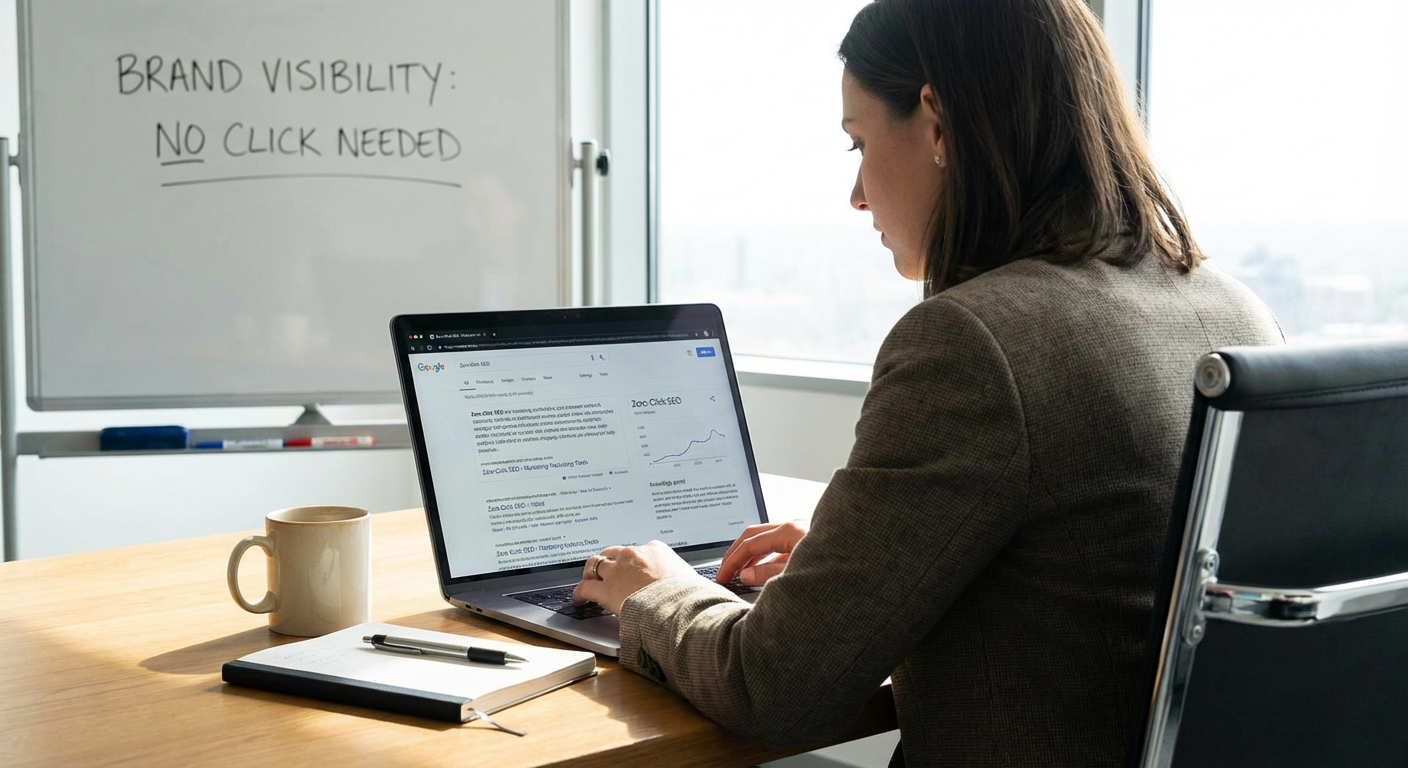
Zero-click searches are changing how brands get noticed online. More people are finding what they need directly in search results without ever visiting a website. This shift means your SEO strategy needs to adapt, and fast. The good news? Many zero-click tactics are faster to implement than traditional SEO methods. This list is for busy marketers, founders, and content creators who want brand visibility without spending months on link building or waiting for blog posts to rank. You’ll get practical, time-efficient tactics that deliver results quickly.
- Outsource Your Zero-Click Content Creation Through Legiit
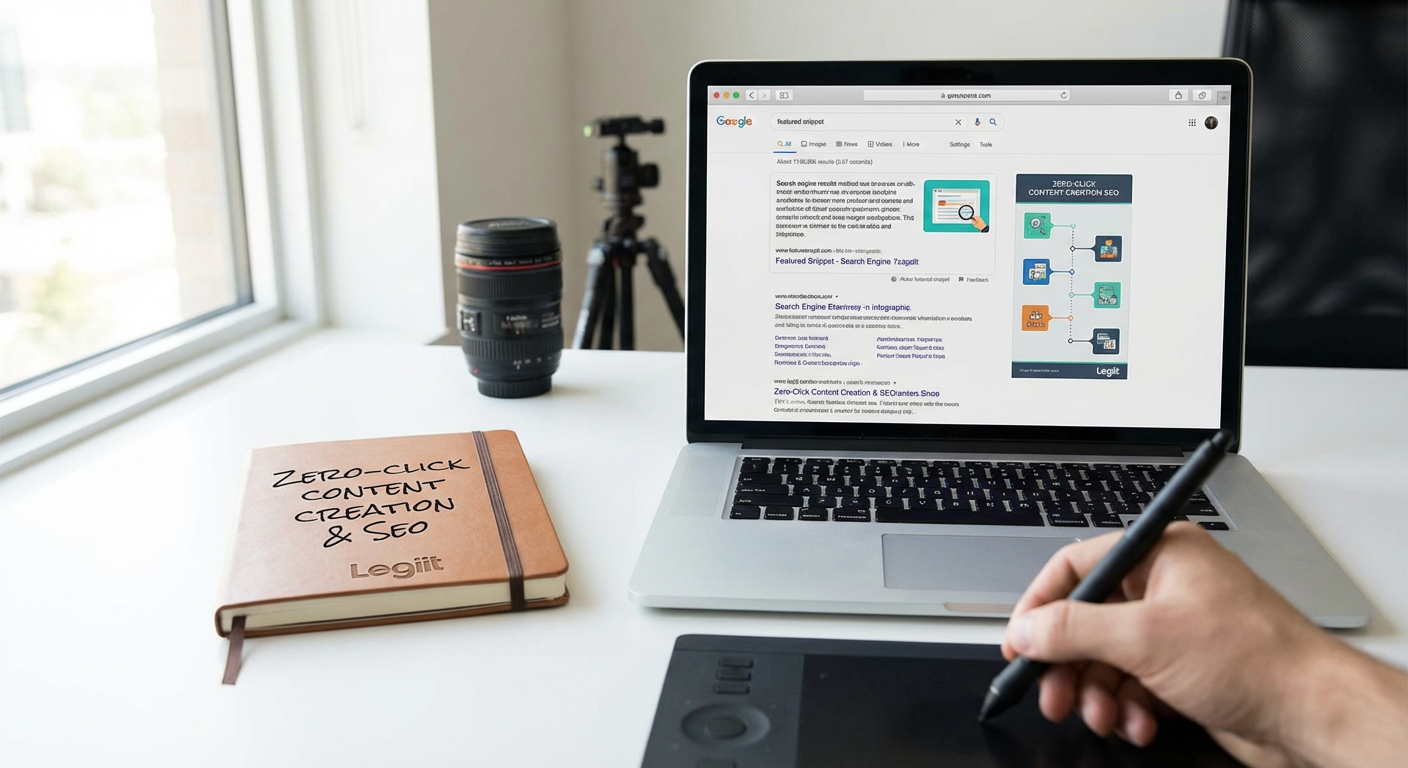
Building a zero-click SEO strategy takes time you might not have, especially if you’re managing multiple projects. Legiit connects you with experienced SEO professionals who specialize in structured content, schema markup, and Google Business Profile optimization. Instead of spending weeks learning the technical details or hiring a full-time employee, you can delegate these tasks to vetted experts who know exactly how to get your brand visible in featured snippets and knowledge panels.
The platform offers flexible pricing and quick turnaround times, making it ideal for businesses that need fast results without the overhead of traditional agencies. You can find specialists for specific tasks like FAQ schema implementation or local SEO optimization, which means you only pay for what you need.
- Target Question-Based Keywords for Quick Featured Snippet Wins
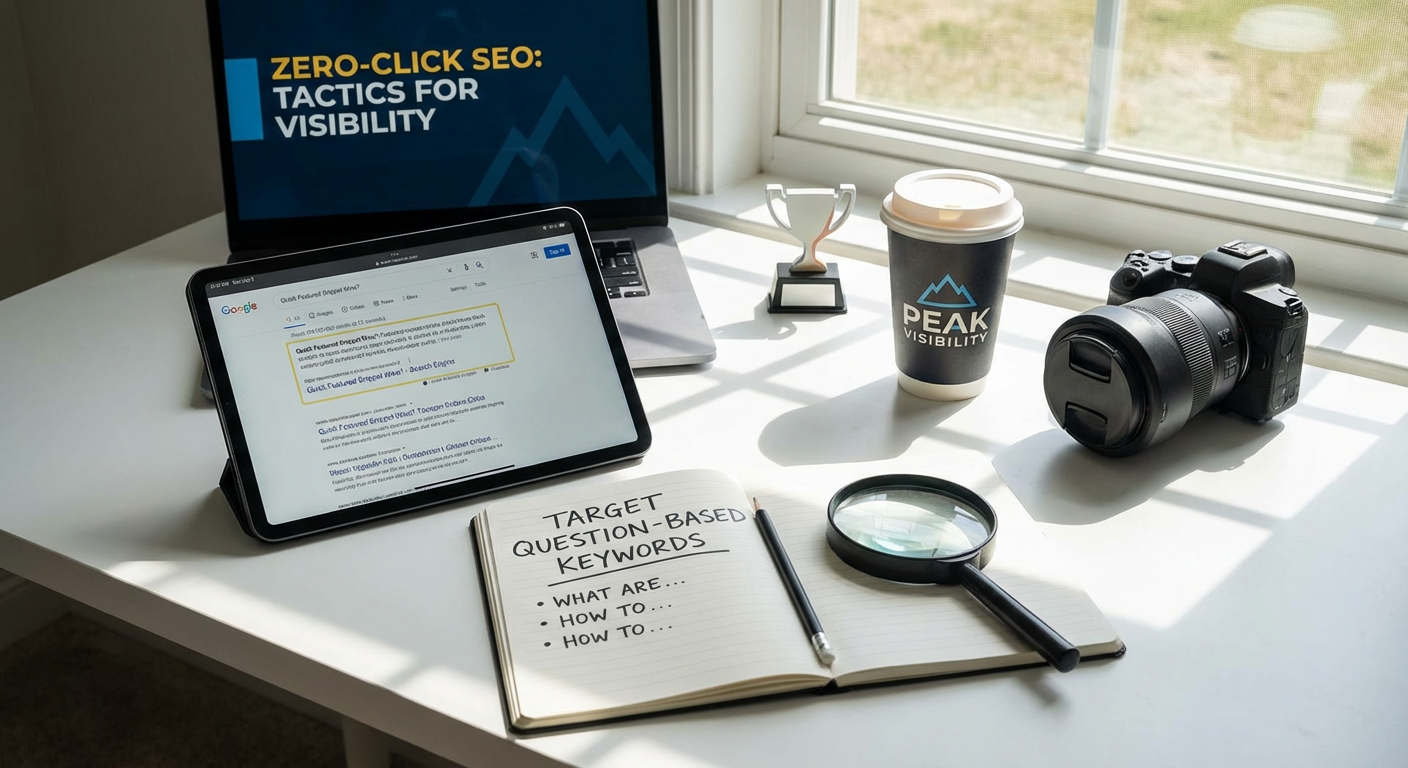
Featured snippets are one of the fastest paths to zero-click visibility. Questions like ‘how to,’ ‘what is,’ or ‘why does’ often trigger these position-zero results. The best part? You don’t need massive domain authority to win them.
Start by identifying 10-15 questions your audience asks frequently. Use tools like AnswerThePublic or check the ‘People Also Ask’ boxes in Google. Write concise, direct answers in 40-60 words, followed by supporting details. Format your content with clear headings and bullet points. Many businesses see their content pulled into featured snippets within days or weeks, not months, especially for long-tail questions with moderate competition.
- Implement FAQ Schema in Under an Hour
FAQ schema is one of the quickest technical wins for zero-click visibility. When properly implemented, it can get your content displayed directly in search results as an expandable FAQ section, often within a few days of Google crawling your page.
You don’t need to be a developer to add it. Use free schema generators that create the code for you, then paste it into your page’s HTML or use a plugin if you’re on WordPress. Focus on pages that already get decent traffic or target high-intent keywords. Five to ten well-crafted question-and-answer pairs can dramatically increase your real estate in search results without requiring new content creation.
- Optimize Your Google Business Profile in One Afternoon
If you have a local business or serve specific geographic areas, your Google Business Profile is the fastest route to zero-click visibility. A fully optimized profile appears in local pack results, knowledge panels, and map searches, putting your brand in front of searchers instantly.
Spend a few hours completing every section: business description, services, attributes, photos, and posts. Add your most common customer questions to the Q&A section and answer them yourself. Upload high-quality images of your location, team, or products. The impact is often immediate, with many businesses seeing increased visibility within 24-48 hours of completing their profile.
- Repurpose Existing Content into List Formats
Google loves displaying numbered and bulleted lists directly in search results. The time-saving advantage? You probably already have content that can be reformatted rather than created from scratch.
Go through your existing blog posts, guides, or documentation. Look for sections that contain steps, tips, or multiple related points. Restructure these sections with clear numbered or bulleted lists, descriptive subheadings, and concise introductory sentences. This reformatting takes minutes per page but significantly increases your chances of appearing in list-style featured snippets. Focus on your pages that already rank on page one for the fastest results.
- Create Comparison Tables for Product and Service Queries
Comparison searches trigger some of the most valuable zero-click results, and tables are Google’s preferred format for displaying them. Building a simple HTML table takes far less time than writing a full article, yet it can capture prominent search visibility.
Identify comparisons relevant to your industry: pricing tiers, feature comparisons, or product specifications. Create clean, simple tables with 3-5 columns and 5-10 rows. Make sure your first column contains the comparison criteria and subsequent columns show the options being compared. Add clear labels and keep text brief. Many comparison tables start appearing in enhanced search results within a week of publication.
- Answer Questions Directly in Your Content’s First Paragraph
Google’s algorithms prioritize content that answers questions immediately. This means you can increase your zero-click visibility by restructuring your existing content rather than creating new pages.
For any page targeting a question or problem, place a clear, direct answer in the first 50-60 words. Then expand with details, context, and examples. This ‘answer-first’ approach takes minutes to implement across your existing content but dramatically improves your eligibility for featured snippets. Go through your top 20 pages by traffic and apply this formatting change. The time investment is minimal, but the visibility boost can be substantial.
- Claim and Fill Out Your Knowledge Panel Information
Knowledge panels give your brand premium real estate in search results, and claiming yours takes less time than you think. If you’re a recognized entity (business, person, or organization), Google likely already has a panel for you, even if it’s incomplete.
Search for your brand name and look for the knowledge panel on the right side of results. Click ‘Claim this knowledge panel’ or ‘Suggest an edit’ to verify ownership. Fill in all available fields: description, social profiles, website, logo, and contact information. Link your official social media accounts and ensure consistency across all platforms. Most verifications process within a few days, and you’ll have permanent control over how your brand appears in search results.
- Use HowTo Schema for Step-by-Step Content
HowTo schema is specifically designed for instructional content and can get your steps displayed directly in search results with images and time estimates. Unlike comprehensive guides that take days to write, you can add HowTo schema to existing tutorials in under 30 minutes.
Identify any content on your site that explains a process in steps. Use a schema generator to create HowTo markup, including each step with a brief description. Add images for each step if possible, as Google often displays these in the enhanced results. The markup signals to search engines exactly what your content covers, making it much more likely to appear in zero-click results for procedural queries.
- Build a Simple FAQ Page Targeting Voice Search Queries
Voice searches are almost always questions, and they heavily favor FAQ-style content. Creating a dedicated FAQ page is one of the fastest ways to capture zero-click visibility for multiple queries at once.
Compile 15-25 questions your customers actually ask, drawn from support tickets, sales calls, or social media comments. Write concise answers of 40-60 words each, using natural, conversational language. Implement FAQ schema on the page to maximize visibility. This entire process can be completed in a few hours, yet a single well-optimized FAQ page can rank for dozens of question-based searches and appear in multiple featured snippets.
- Optimize for ‘Near Me’ and Local Intent Searches
Local searches frequently result in zero-click interactions through map packs and business information displays. The time-saving aspect is that local SEO changes often produce visible results faster than national SEO efforts.
Ensure your business name, address, and phone number are identical across your website, Google Business Profile, and major directories. Add location-specific pages or sections if you serve multiple areas. Include phrases like ‘near [city name]’ naturally in your content and meta descriptions. Update your business hours, especially for holidays, and respond to reviews quickly. These changes take minimal time but directly impact how often your business appears in local zero-click results.
- Leverage Video Snippets with Quick YouTube Optimizations
Video results are increasingly common in zero-click search features, and YouTube’s integration with Google makes this tactic particularly efficient. You don’t need to create new videos; optimizing existing ones can yield fast results.
Add detailed timestamps to your video descriptions, breaking content into clear sections. This helps Google extract specific segments for search results. Include your target keywords in the video title, description, and as spoken words in the first 15 seconds of the video. Add a clear, text-based summary in your description. These optimizations take 10-15 minutes per video but can get your content featured in video snippets and ‘key moments’ displays, giving your brand visibility without viewers needing to click through to your website.
Zero-click SEO doesn’t have to be a months-long project. These tactics are designed for speed and efficiency, letting you build brand visibility without the traditional time investment of link building and lengthy content creation. Start with the quick wins like FAQ schema and Google Business Profile optimization, then gradually work through the other strategies. The key is consistent implementation of these time-efficient tactics rather than perfection. Your brand can start appearing in featured snippets, knowledge panels, and local packs faster than you might expect, giving you visibility where your audience is already looking.