

10 Fast Ways to Get Featured in ChatGPT and Perplexity Search Results
Getting your content noticed by AI search engines like ChatGPT and Perplexity doesn’t have to be a slow, painful process. If you’re a busy professional who needs results without spending months on trial and error, this list is for you. These strategies focus on speed and efficiency, helping you get indexed and referenced quickly so you can move on to other priorities. Each method is designed to deliver maximum impact with minimal time investment.
- Hire Verified Experts on Legiit to Handle the Technical Work

Instead of spending weeks learning how to structure your site for AI search visibility, you can hire specialists on Legiit who already know what works. Legiit connects you with verified freelancers who specialize in SEO, content optimization, and technical site improvements that help AI engines find and feature your content. This approach saves you the learning curve and gets your pages optimized in days, not months.
The platform offers specialists who understand how ChatGPT and Perplexity pull information from the web. They can audit your site, fix structural issues, and implement schema markup quickly. For busy founders and marketing teams, this is one of the fastest ways to get expert help without hiring full-time staff.
- Add Structured Data Markup Using Free Tools
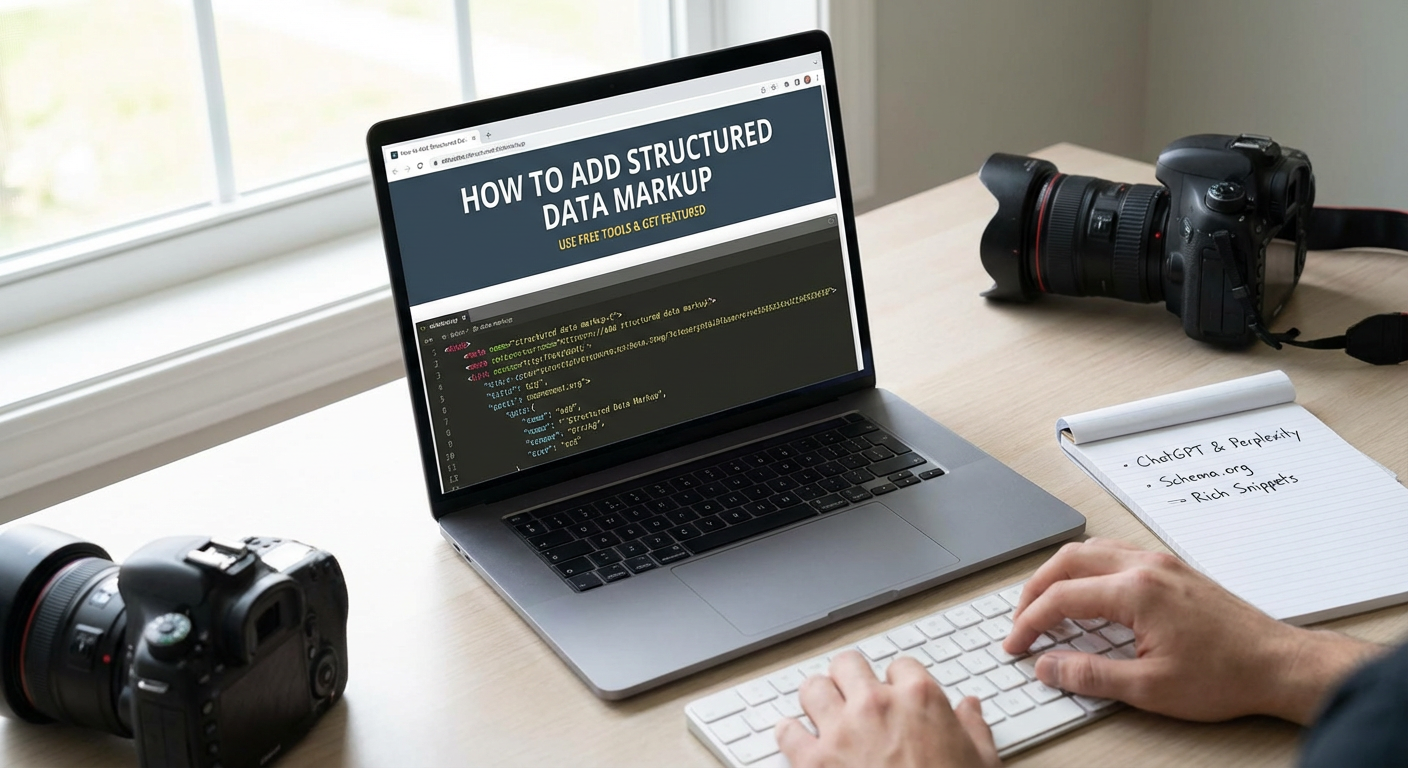
Structured data helps AI engines understand your content faster, which means quicker indexing and better chances of being cited. You don’t need to be a developer to add this. Free tools like Google’s Structured Data Markup Helper or Schema.org generators let you create the code in minutes.
Focus on common schema types like Article, FAQ, HowTo, and Organization. These formats are straightforward and give AI systems clear signals about what your content covers. Once you paste the generated code into your site’s HTML, search engines and AI tools can parse your pages more efficiently. This simple step can dramatically reduce the time it takes for your content to appear in AI responses.
- Repurpose Existing High-Performing Content
You don’t need to create everything from scratch. Look at your analytics and identify blog posts, guides, or videos that already get strong traffic or engagement. Then update them with current information, clearer headings, and concise answers to common questions.
AI engines favor content that directly answers user queries. By reformatting your best material into question-and-answer sections or summary blocks, you make it easier for ChatGPT and Perplexity to pull quotes and references. This approach leverages work you’ve already done and can be completed in a fraction of the time it takes to write new pieces from zero.
- Focus on High-Authority Backlinks from Credible Sources
Building backlinks can be time-consuming, but targeting a few high-quality sources delivers faster results than chasing dozens of low-value links. Reach out to industry publications, academic sites, or well-known blogs and offer to contribute expert commentary or guest posts.
AI systems use link authority as a trust signal. A single backlink from a respected site can boost your visibility more than ten links from obscure directories. Prioritize relationships with sources that are already indexed and frequently cited by AI tools. This focused strategy cuts down on outreach time and increases your chances of being featured quickly.
- Publish Concise, Scannable Summaries at the Top of Pages
AI engines often pull information from the first few paragraphs of a page. If your intro is long and meandering, you’re wasting valuable real estate. Instead, start each article or page with a clear, two-to-three-sentence summary that answers the main question or topic.
Use bullet points or numbered lists to break down key takeaways right at the start. This format makes it easy for AI to extract and cite your content. You can still include detailed explanations further down the page, but leading with clarity ensures that AI tools can quickly identify and reference your main points. This small change takes minutes per page but can significantly improve your visibility.
- Claim and Optimize Your Google Business Profile
If your business has a physical location or serves a specific region, claiming your Google Business Profile is one of the fastest ways to get noticed. AI search tools often pull business information directly from these profiles, especially for local queries.
Fill out every section completely: business hours, services, description, and photos. Add posts and updates regularly to signal that your profile is active. This process takes less than an hour but gives AI engines a reliable, structured source of information about your business. For local searches, this can get you featured in AI responses almost immediately after verification.
- Use Simple, Direct Language That AI Can Easily Parse
AI engines prefer content that is straightforward and easy to understand. Avoid long, complex sentences and industry jargon that might confuse natural language processing systems. Write as if you’re explaining the topic to a smart friend who isn’t an expert.
This doesn’t mean dumbing down your content. It means being clear and precise. Use active voice, short paragraphs, and specific examples. When AI tools scan your pages, they can quickly identify the main ideas and pull accurate quotes. Writing this way also improves readability for human visitors, so you’re not sacrificing quality for speed.
- Submit Your Sitemap to Search Engines Immediately
Many site owners forget this basic step, but submitting your XML sitemap to Google Search Console and Bing Webmaster Tools tells search engines exactly where your content lives. This speeds up the crawling and indexing process, which in turn helps AI engines find your pages faster.
Generate your sitemap using a plugin like Yoast SEO or RankMath if you’re on WordPress, or use a free online generator for other platforms. Once submitted, check back in a few days to see which pages have been indexed. This is one of the quickest technical wins you can achieve, often taking less than 30 minutes from start to finish.
- Answer Specific Questions People Are Actually Asking
AI search engines are designed to respond to user queries, so the closer your content matches real questions, the more likely you are to be featured. Use tools like AnswerThePublic or Google’s People Also Ask section to find the exact phrasing people use when searching for information in your niche.
Create dedicated pages or sections that address these questions directly. Use the question as a heading and provide a clear, concise answer in the first paragraph. This targeted approach saves you time because you’re not guessing what to write about. You’re addressing proven demand, which increases your chances of being cited by AI systems almost immediately after indexing.
- Keep Your Content Fresh with Quick Monthly Updates
AI engines prefer current information, and you don’t need to overhaul your entire site to stay relevant. Set aside 30 minutes each month to update your top-performing pages with new stats, recent examples, or revised recommendations.
Add a brief note at the top or bottom of the page indicating when it was last updated. This signals to both search engines and AI tools that your content is actively maintained. Small, regular updates are far more efficient than waiting until a page becomes completely outdated and requires a full rewrite. This habit keeps your content in circulation and improves your chances of being featured in fresh AI responses.
Getting featured in ChatGPT and Perplexity search results doesn’t require endless hours or a massive budget. By focusing on high-impact strategies that save time, you can improve your visibility quickly and get back to running your business. Start with one or two methods from this list, measure the results, and build from there. The key is consistency and clarity, not perfection. With the right approach, you can make your content work harder for you in less time.