
11 Actionable Tips for Graphic Design Packages That Sell Like Hotcakes
If you want to build graphic design packages that clients actually buy, you need more than talent. You need to structure your offers in ways that make sense to buyers, solve real problems, and stand out in a crowded market. This list gives you practical, hands-on advice for creating and selling design packages that move fast. Whether you’re a freelancer just starting out or an agency looking to refine your offerings, these tips will help you package your skills in ways that convert browsers into buyers.
- Start with Legiit’s Marketplace to Test What Sells
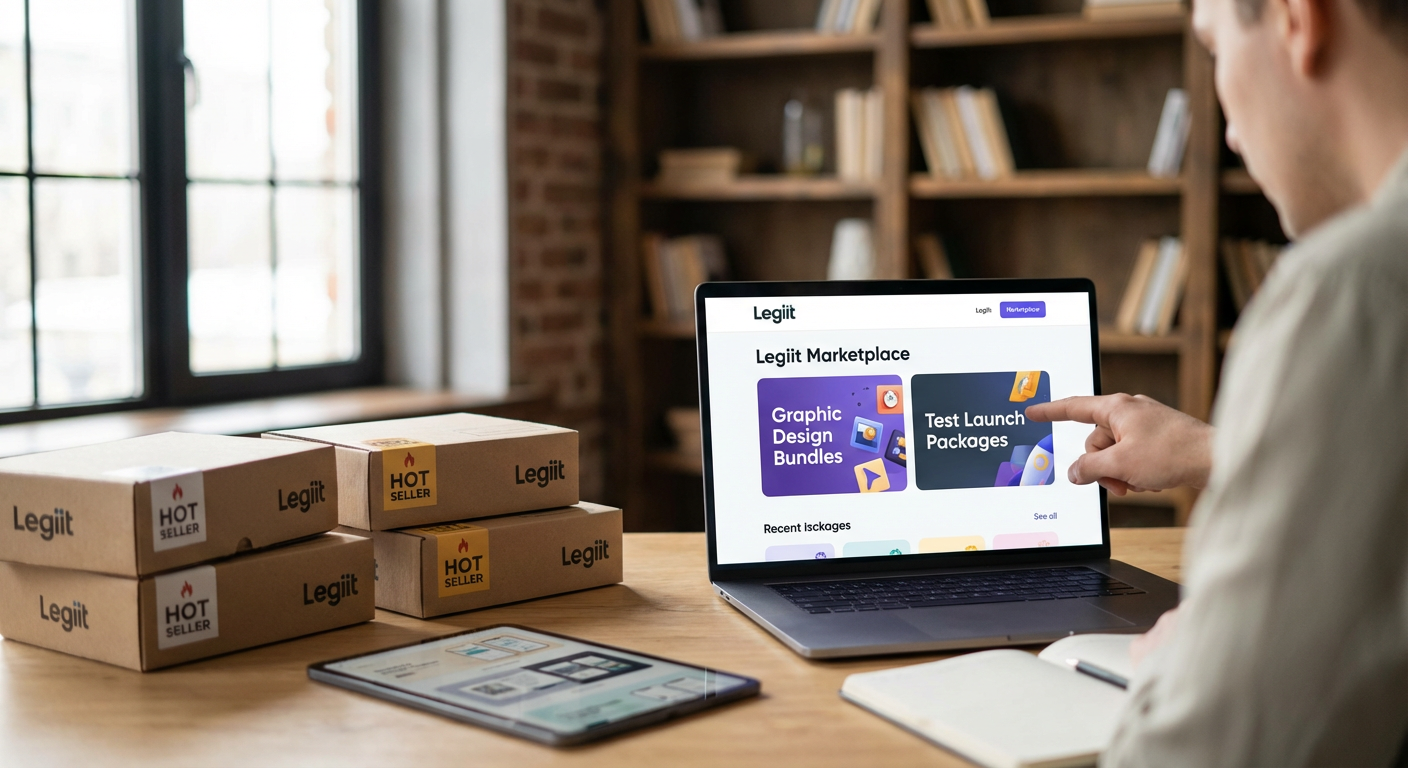
Before you invest time building complex packages, test your ideas where real buyers are already looking. Legiit is a freelance marketplace focused on digital services, and it gives you immediate access to clients who need design work. The platform lets you create multiple service tiers, so you can experiment with different package structures and see which ones get traction.
Watch what competitors are doing, but pay closer attention to what buyers are asking for in their project requests. Use this feedback to refine your offerings. The advantage here is speed. You can launch a package today, get real responses within days, and adjust your pricing or deliverables based on actual market demand rather than guesses.
- Bundle Services That Naturally Go Together
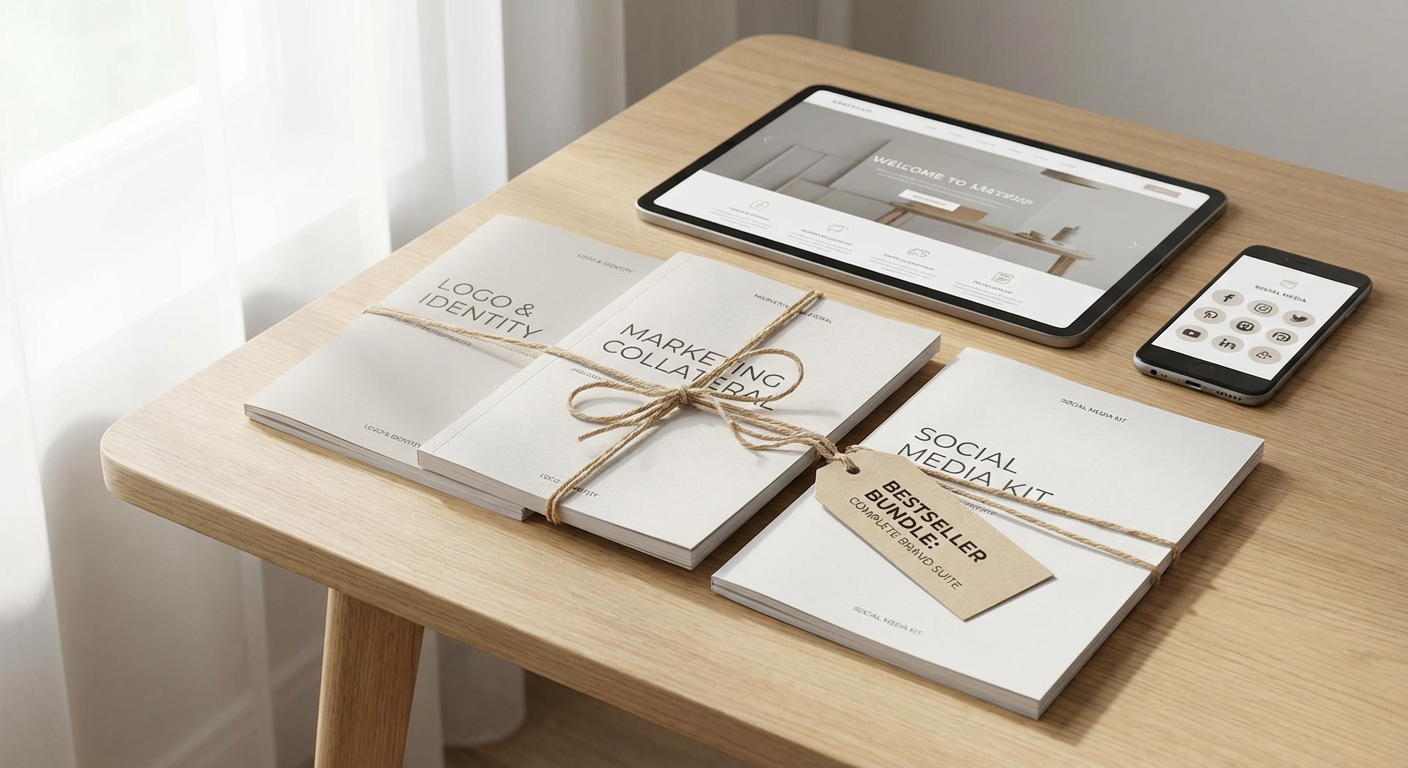
Clients love convenience, and they’ll pay more when you remove the hassle of coordinating multiple vendors. Look at your services and identify what naturally pairs up. Logo design and brand style guides fit together. Social media graphics work well with content calendars. Website mockups make sense alongside banner ads for launch campaigns.
The key is to bundle items that support a single goal. A startup launching a new product needs cohesive visuals across several platforms, so a package that includes logo, business cards, and social templates solves a complete problem. When you bundle strategically, you increase the perceived value and make the buying decision easier.
- Offer Three Tiers to Guide Decision Making
Most buyers struggle when faced with too many choices or too few. Three tiers hit the sweet spot. Your basic package covers essential needs at an accessible price. Your mid-tier package adds more deliverables and faster turnaround. Your premium package includes everything plus extras like priority support or additional revisions.
This structure does more than organize your services. It guides buyers toward the middle option, which usually offers the best margin for you while still feeling like great value to them. Make sure each tier has a clear reason to exist. Don’t just add random extras to justify higher prices. Each upgrade should solve a bigger problem or deliver more impact.
- Price Based on Client Outcomes, Not Your Hours
Stop counting hours and start thinking about what your design work makes possible for the client. A logo that helps a startup raise funding is worth more than one for a hobby blog. A sales page design that converts visitors into customers delivers measurable value. When you frame your packages around outcomes, you can charge what the work is worth rather than what your time costs.
This shift requires you to understand your clients’ goals during the sales conversation. Ask what success looks like for them. Ask how they’ll measure whether the design worked. Then position your package as the tool that gets them there. Clients who see the connection between your work and their results will pay premium prices without hesitation.
- Include Revisions but Set Clear Limits
Unlimited revisions sound generous, but they hurt your business and train clients to be indecisive. Instead, include a specific number of revision rounds in each package tier. Two rounds work for most projects. Three rounds give breathing room for complex work. Make it clear what counts as a revision versus a completely new direction.
When clients know they have limited revisions, they give better feedback the first time. They think harder about what they actually want instead of treating you like a design slot machine. If someone needs extra revisions beyond what’s included, charge a fair fee for each additional round. This protects your time and keeps projects moving forward.
- Create Packages for Specific Industries or Niches
Generic design packages blend into the noise. Packages built for specific industries stand out because they speak directly to what those clients need. A package for real estate agents might include property listing templates, open house flyers, and social media graphics for new listings. A package for podcast hosts could bundle cover art, episode templates, and audiogram designs.
When you specialize, you can use industry language, anticipate common needs, and position yourself as someone who already understands their world. This makes the sale easier because clients feel confident you won’t need extensive hand-holding. Pick two or three industries you enjoy working with or already have experience in, then build packages that solve their recurring design problems.
- Use Fast Turnaround as a Selling Point
Speed matters more than most designers realize. Clients with urgent needs will pay premium prices to skip the line. Consider offering an express package tier that delivers finished work in 48 hours or less. This works especially well for smaller projects like social media graphics, presentation slides, or single-page designs.
Make sure you can actually deliver on the timeline before you promise it. Build in buffer time for client delays in providing feedback or assets. Charge significantly more for rush work because it disrupts your schedule and requires focused attention. When you consistently deliver fast without sacrificing quality, you build a reputation that brings repeat clients and referrals.
- Add a Maintenance or Retainer Option
One-time projects are fine, but retainer packages create predictable income. After you complete an initial design project, offer ongoing support as a monthly package. This could include updating graphics each month, creating seasonal marketing materials, or refreshing website visuals quarterly.
Retainers work well for clients who need regular design work but don’t have enough volume to hire someone full-time. Set a clear number of hours or deliverables included each month, and make it easy for clients to request work through a simple system like email or a project management tool. This model smooths out your cash flow and builds long-term relationships that often lead to bigger projects.
- Include Source Files Only in Higher Tiers
Source files like layered Photoshop documents or editable vector files have real value. Many clients assume they’ll receive these automatically, but you can use them strategically to differentiate your package tiers. Your basic package delivers final JPGs or PNGs ready to use. Your premium package includes all source files so clients can make future edits themselves or hand off to another designer.
This approach gives budget-conscious clients an affordable entry point while creating an upgrade path for those who want more control. Be upfront about what file formats come with each tier so there are no surprises. Some designers worry about losing future business if clients can edit files themselves, but in practice, most clients still come back because they’d rather pay you than fumble through design software.
- Write Package Descriptions That Focus on Benefits
When you describe your packages, skip the feature list and talk about what clients actually get. Instead of saying ‘includes three logo concepts,’ say ‘gives you multiple professional options so you can choose the perfect fit for your brand.’ Instead of ‘two revision rounds,’ say ‘ensures your final design matches your vision exactly.’
Clients don’t buy logo files or color palettes. They buy confidence, credibility, and the ability to look professional in their market. Your package descriptions should paint a picture of how the client’s business or project improves after working with you. Use specific language that connects to their goals. The more clearly you articulate the value, the less price becomes an objection.
- Test Different Package Names and Positioning
What you call your packages matters more than you might think. ‘Basic,’ ‘Standard,’ and ‘Premium’ work fine, but creative names that match your brand personality can make your offerings more memorable. A designer specializing in bold, modern work might use ‘Starter,’ ‘Statement,’ and ‘Showstopper.’ Someone focused on elegant, minimal design might choose ‘Essential,’ ‘Refined,’ and ‘Signature.’
Beyond names, test how you position each tier. Try leading with your mid-tier package as the recommended option. Experiment with highlighting different benefits in your descriptions. Track which versions get more inquiries and sales. Small changes in how you present the same services can significantly impact conversion rates. Don’t be afraid to refresh your packaging every few months based on what the market responds to best.
Building graphic design packages that sell consistently comes down to understanding what clients need and presenting your services in ways that make buying easy. Start by testing your ideas in real marketplaces, bundle services that solve complete problems, and structure your pricing to guide decisions. Focus on outcomes rather than hours, set clear boundaries around revisions, and consider specializing in specific industries. Speed, ongoing support options, and strategic use of source files all give you ways to stand out and justify premium pricing. Most importantly, describe your packages in terms of the results clients care about, not just the files you’ll deliver. With these practical strategies in place, you’ll spend less time chasing clients and more time doing the design work you actually enjoy.