

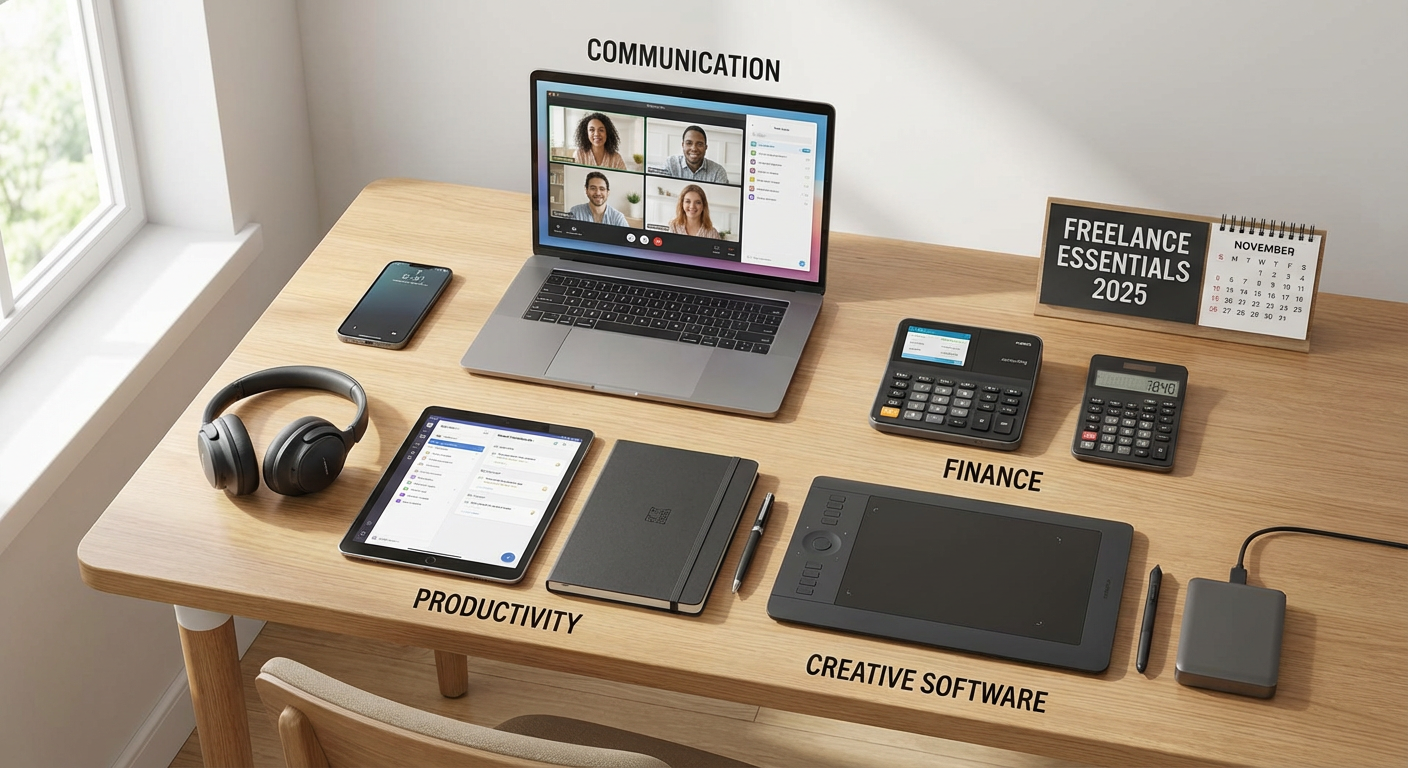
10 Time-Saving Tools Every Freelancer Needs to Work Faster and Smarter
Time is your most valuable asset as a freelancer. Every hour spent on repetitive tasks, admin work, or hunting down resources is an hour you could be billing clients or growing your business. The right tools can compress hours of work into minutes, automate tedious processes, and give you back the time you need to focus on what actually makes you money. This list organizes essential tools by their application, each chosen specifically for how much time they save you each week.
- Legiit for Fast, Reliable Service Sourcing
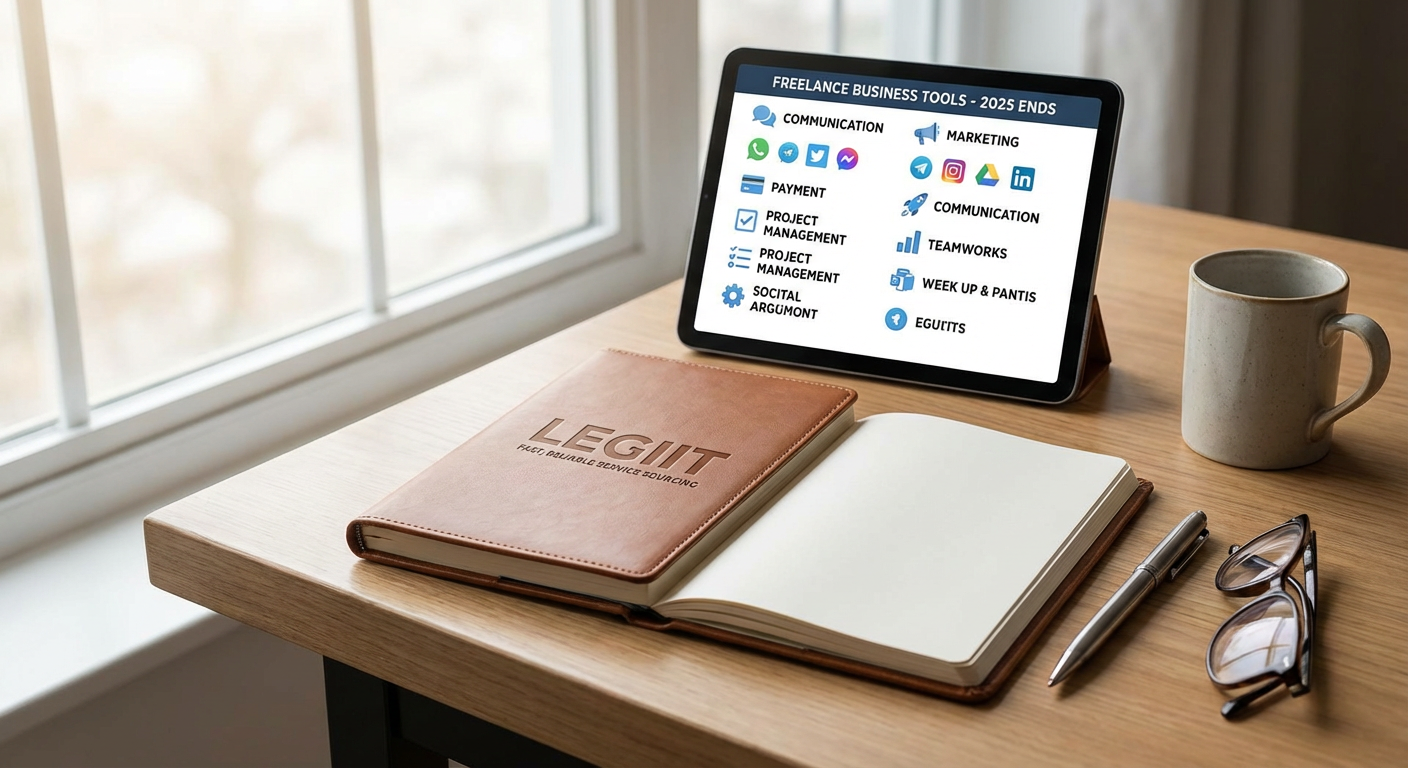
When you need specialized skills quickly, Legiit connects you with vetted freelancers who can deliver without the endless back-and-forth of traditional hiring. Instead of spending days screening candidates or learning a new skill yourself, you can find someone who already knows exactly what to do. The platform covers everything from graphic design and content writing to technical SEO and video editing, so you can delegate tasks and reclaim hours every week.
The real time-saver is the quality vetting. You’re not sorting through hundreds of random profiles or gambling on untested providers. Most services include clear deliverables and turnaround times, which means you can plan your project timeline with confidence and move on to your next task immediately after placing an order.
- Accounting Software That Runs Itself
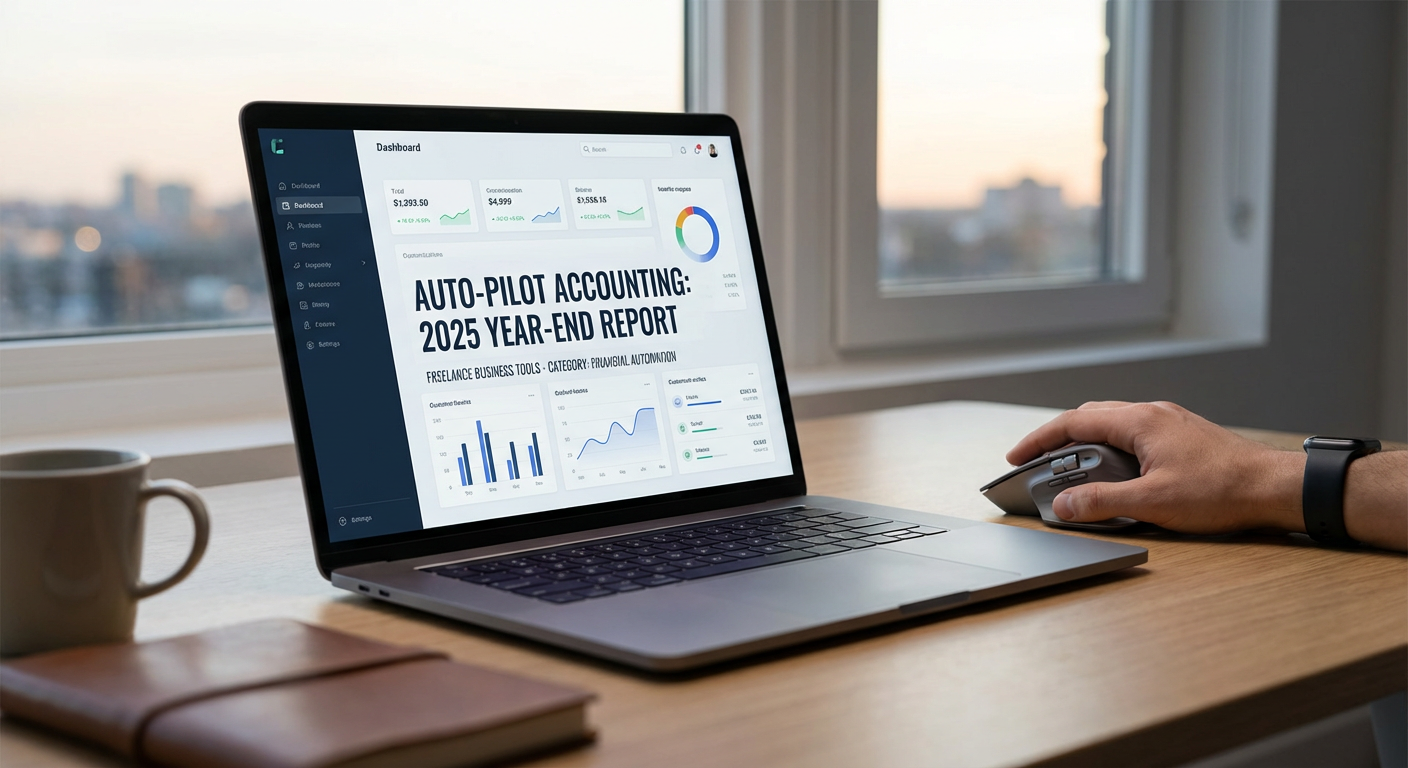
Manual bookkeeping is a black hole for freelancer time. Tools like Wave, FreshBooks, or QuickBooks Self-Employed automate invoice generation, expense tracking, and tax calculations so you’re not spending evenings sorting receipts or building spreadsheets. Connect your bank account and the software categorizes transactions automatically, often with surprising accuracy.
Many of these platforms also handle recurring invoices and payment reminders, which means you’re not manually chasing down clients every month. Come tax season, you can export everything your accountant needs in minutes instead of reconstructing months of financial history from memory and crumpled papers.
- Project Management Systems That Keep Everything in One Place
Jumping between email, messaging apps, file folders, and sticky notes wastes shocking amounts of time every day. A proper project management tool like Trello, Asana, or ClickUp centralizes all your tasks, deadlines, files, and client communications in a single system. You can see your entire week at a glance, prioritize work without digging through threads, and never lose track of what needs doing next.
The automation features multiply your efficiency. Set up templates for recurring project types, create automatic task assignments when certain conditions are met, and get reminders before deadlines approach. What used to take 20 minutes of planning each morning now happens in the background while you’re working.
- Communication Tools That Reduce Email Overload
Email is necessary but notoriously inefficient for real-time collaboration. Slack or Microsoft Teams keep quick conversations out of your inbox and make it easy to search past discussions when you need to reference something. Channels organized by project or client mean you’re not scrolling through unrelated messages to find what matters right now.
The search functionality alone saves substantial time. Instead of hunting through dozens of email threads to find that file someone sent three weeks ago, you type a keyword and get results instantly. Video calls launch with one click, file sharing happens inline, and you avoid the constant context-switching that email forces on you.
- Password Managers That Stop the Reset Cycle
How much time have you lost resetting forgotten passwords or reusing the same weak password because you can’t remember anything else? A password manager like 1Password, LastPass, or Bitwarden generates strong passwords, stores them securely, and autofills them when you need to log in. You only need to remember one master password for everything.
Beyond the obvious time savings, these tools make it practical to use different passwords for every account, which protects you from the hours of damage control required after a security breach. Many also store secure notes, credit card information, and other sensitive data you need quick access to throughout your workday.
- Scheduling Software That Eliminates Email Tennis
The “when are you free” email exchange is a ridiculous waste of time in an era when software can handle it instantly. Calendly, Acuity Scheduling, or similar tools let clients book time with you directly based on your actual availability. You set your working hours, buffer times, and meeting types, then share a link. They pick a time that works for them, and it appears on your calendar automatically.
These systems also handle time zones, send automatic reminders to reduce no-shows, and can collect information you need before the meeting even starts. What used to take five or six emails back and forth now happens in 30 seconds, and you never have to think about it.
- Cloud Storage That Works Across All Your Devices
Digging through local folders, emailing files to yourself, or carrying USB drives around is painfully slow compared to proper cloud storage. Google Drive, Dropbox, or OneDrive keep your files synchronized across every device you use, accessible from anywhere with internet. You can start work on your desktop, make edits on your phone during a commute, and finish on a laptop without manually transferring anything.
The collaboration features save even more time. Share folders with clients or collaborators, work on documents simultaneously, and eliminate the version control nightmare of files named “final_v3_ACTUAL_final_use_this_one.” Everything stays organized and current without you lifting a finger.
- Grammar and Writing Assistants for Faster Editing
Whether you’re writing proposals, emails, or deliverables, tools like Grammarly or ProWritingAid catch errors and suggest improvements in real time. You produce cleaner first drafts and spend far less time in revision. These assistants check grammar, spelling, tone, clarity, and even plagiarism depending on which plan you choose.
The time savings compound when you consider how much faster you can write when you’re not constantly second-guessing your comma placement or word choices. The software handles the mechanical aspects of writing so you can focus on the ideas and strategy, then do a quick final review instead of a line-by-line edit.
- Time Tracking Apps That Show Where Hours Actually Go
You can’t improve what you don’t measure. Time tracking tools like Toggl, Harvest, or RescueTime record how long you spend on different tasks and clients, giving you data on where your hours actually go versus where you think they go. This awareness alone often reveals massive time drains you didn’t realize existed.
Many freelancers discover they’re spending twice as long on certain tasks as they estimated, which means they’re undercharging or need to streamline those processes. The data also makes invoicing faster and more accurate when you bill hourly, and helps you set realistic deadlines based on actual performance rather than wishful thinking.
- Template Libraries for Repeatable Work
If you find yourself creating similar documents, designs, or code repeatedly, building a personal template library is one of the highest-return time investments you can make. This could be proposal templates, contract templates, email response templates, design files with your brand assets pre-loaded, or code snippets for common functions.
Text expansion tools like TextExpander or built-in features in your operating system let you type a short abbreviation that expands into paragraphs of formatted text. Instead of rewriting your standard project scope or payment terms for every new client, you type a few characters and the entire section appears. Over months and years, this saves hundreds of hours on work that adds zero value to your business.
The difference between a freelancer who’s constantly overwhelmed and one who has time to grow comes down to how well they leverage tools that do the boring work automatically. Each tool on this list targets a specific time drain that most freelancers face daily, from administrative tasks to communication overhead to repetitive work. Start with the areas where you lose the most time right now, implement one or two solutions, and build from there. The hours you save compound quickly, giving you space to take on better clients, develop new skills, or simply enjoy the freedom that drew you to freelancing in the first place.