

10 Practical Tips for Choosing the Best Freelance-Friendly Cities: Ease, Cost, and Community
Finding the right city as a freelancer can make or break your work-life balance and your bottom line. The best locations offer a mix of affordable living, reliable infrastructure, and a supportive community of other independent workers. This guide gives you actionable advice for evaluating cities based on what matters most: how easy it is to work there, what it costs to live comfortably, and whether you’ll find your people. Use these tips to make a smart, informed decision about where to set up your freelance base.
- Start by Building Your Client Base on Legiit Before You Move
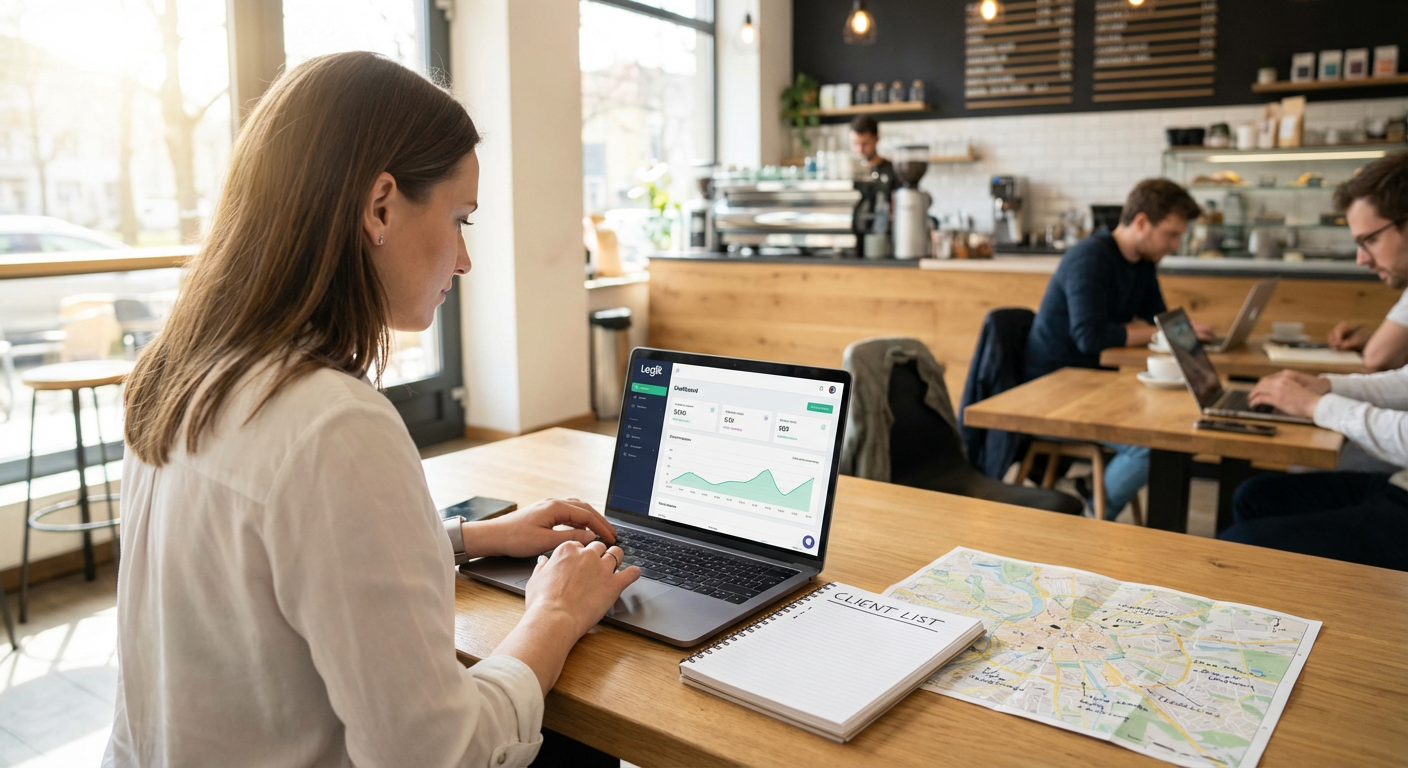
Before you pack your bags and relocate, secure a steady stream of clients through Legiit, a marketplace built specifically for freelancers offering services in marketing, design, writing, and development. Setting up your profile and landing a few projects gives you real income data to work with when calculating your budget for a new city. You can test different service offerings and pricing models while still in your current location, then move with confidence knowing you have paying clients already in place.
Legiit also connects you with other service providers who can become collaborators or referral partners, which means you’re building professional relationships before you even arrive in your new city. This practical step removes much of the financial risk from relocating and gives you a realistic picture of what you can afford in monthly rent and living expenses.
- Calculate Your Real Monthly Expenses, Not Just Rent

Most freelancers focus only on rent when comparing cities, but that’s a mistake. Take time to calculate your full monthly burn rate, including groceries, transportation, health insurance, coworking space fees, utilities, and the occasional meal out. Use cost-of-living calculators that break down expenses by category, then add 20% as a buffer for unexpected costs.
Once you have this number, compare it against your average monthly freelance income over the past six months. If your income doesn’t comfortably exceed your projected expenses by at least 30%, either choose a cheaper city or wait until your client base grows. This practical approach prevents the stress of living paycheck to paycheck in a city you can’t actually afford.
- Test a City with a One-Month Stay Before Committing
Book an Airbnb or short-term rental for 30 days in your target city before signing a lease. Spend that month working your normal schedule, exploring different neighborhoods, visiting coworking spaces, and attending local freelancer meetups. This hands-on trial run reveals problems you’d never spot during a weekend visit, like unreliable internet in certain areas, noise levels during work hours, or a lack of affordable lunch options near potential workspaces.
During your test month, track your actual daily spending and note which neighborhoods feel right for your work style. Pay attention to commute times if you plan to use coworking spaces, and check whether you feel energized or drained by the city’s pace. This investment of time and money up front can save you from a costly mistake and a stressful moving experience.
- Check Internet Speed and Reliability in Specific Neighborhoods
Reliable, fast internet is non-negotiable for freelancers. Before choosing a neighborhood, search for internet speed test results from that specific area, not just the city average. Join local Facebook groups or Reddit communities and ask residents about their actual experiences with different internet service providers, including how often outages occur and how responsive customer service is when problems arise.
When you visit apartments or neighborhoods, ask to run a speed test on your phone using the building’s wifi or ask neighbors what speeds they get. Some older buildings or more remote neighborhoods have surprisingly poor connectivity despite being in otherwise well-connected cities. Having a backup plan, like a solid mobile hotspot option, is also worth researching before you move.
- Map Out Coworking Spaces and Coffee Shops with Good Work Environments
Working from home every day can feel isolating, so identify at least three different places where you can work comfortably before you move. Look for coworking spaces with flexible daily or weekly rates, not just monthly memberships, so you can change your environment without a big financial commitment. Read recent reviews carefully to learn about noise levels, desk availability during peak hours, and whether the community is welcoming to newcomers.
For coffee shops, visit during your test month and note which ones have plenty of outlets, comfortable seating, and staff who don’t mind customers working for a few hours. Some cities have an unwritten rule that you should buy something every hour or two, while others are more relaxed. Knowing your options in advance means you won’t waste precious work time hunting for a decent spot when you need to get out of your apartment.
- Research the Local Freelance Community Before You Arrive
A strong freelance community makes a huge difference in your quality of life and can lead to referrals, collaborations, and genuine friendships. Before moving, search for local freelancer groups on Meetup, Facebook, and Slack. Join these groups and introduce yourself, mentioning that you’re planning to move and asking for advice about neighborhoods, workspaces, and local events.
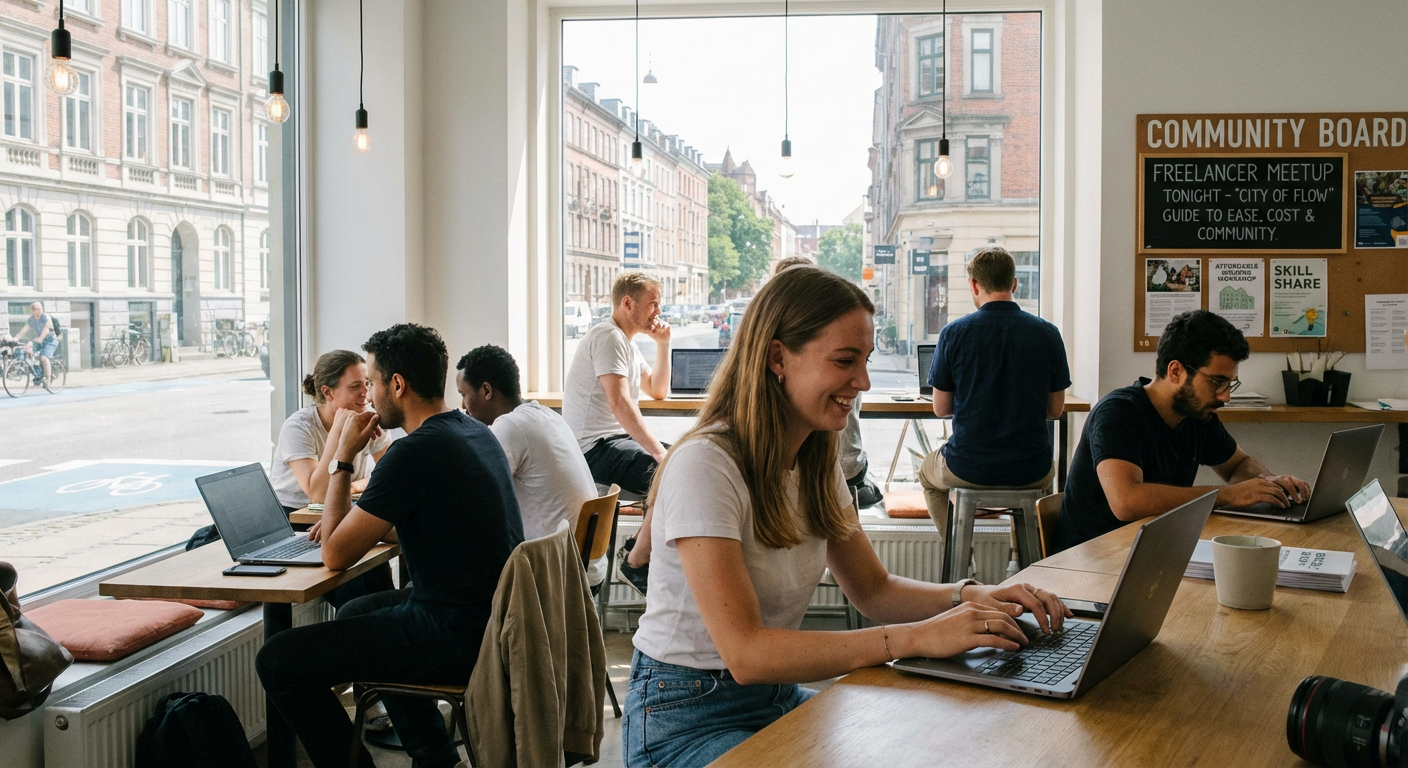
Many cities have regular freelancer coffee meetups, skill-sharing sessions, or coworking days. Attend a few of these events during your test month to get a feel for the community. If the groups seem cliquish or inactive, that’s valuable information. Cities with active, welcoming freelance communities make the transition much easier and help you build a professional network quickly.
- Evaluate Healthcare Options and Costs in Each Location
Healthcare access and costs vary dramatically by city and can impact your budget significantly as a freelancer without employer-sponsored insurance. Research what health insurance plans are available in your target city, what they cost, and which doctors and hospitals are in network. Some cities have community health centers or sliding-scale clinics that make healthcare more affordable for self-employed individuals.
If you have ongoing health needs or take regular medications, call a few pharmacies and doctor’s offices in your target city to ask about costs and appointment availability. This practical step helps you budget accurately and ensures you won’t face unpleasant surprises after moving. Factor these costs into your monthly expense calculations, as they can add several hundred dollars to your budget depending on the city.
- Understand the Tax Implications of Your Chosen City and State
Different states and cities have wildly different tax structures that directly affect your take-home income as a freelancer. Some states have no income tax, while others take a significant bite. Certain cities add their own local income taxes on top of state taxes. Before deciding, consult with a tax professional or use online calculators that factor in state income tax, local taxes, and sales tax to compare your actual after-tax income in different locations.
Also research how business-friendly each location is for freelancers. Some cities require business licenses even for solo freelancers working from home, while others have minimal requirements. Understanding these details helps you avoid unexpected tax bills and compliance headaches after you move.
- Consider Time Zone Advantages for Your Client Base
Time zones matter more than most freelancers realize. If most of your clients are on the East Coast and you move to the West Coast, you’ll need to start work early to overlap with their business hours. Conversely, if you’re a night owl with international clients in Europe or Asia, a West Coast location might give you better scheduling flexibility.
Make a list of where your current and target clients are located, then map out what your typical workday would look like in different cities. This practical exercise helps you avoid the frustration of constantly working odd hours or missing out on real-time collaboration opportunities. Choose a location that aligns with your natural work rhythm and your clients’ schedules.
- Create a Realistic Moving Budget That Includes Setup Costs
Moving costs more than most people expect, especially when you factor in deposits, furniture, kitchen supplies, and the dozens of small purchases needed to set up a new home. Create a detailed budget that includes first and last month’s rent, security deposit, moving truck or shipping costs, new furniture or household items, utility setup fees, and at least one month of living expenses as a cushion.
Many freelancers underestimate these costs and arrive in their new city financially stressed, which makes it harder to focus on work and building community. Having a realistic budget and adequate savings means you can settle in comfortably, explore your new home without panic, and focus on growing your freelance business instead of worrying about money. Aim to have at least three to six months of expenses saved before you make the move.
Choosing the right city as a freelancer requires careful planning and honest assessment of your needs, budget, and work style. By taking these practical steps before you move, you’ll avoid common mistakes and set yourself up for success in your new location. Remember that the best city for you is one where you can work productively, live comfortably within your means, and connect with a supportive community. Take your time with the decision, do your research, and trust that the right place will become clear as you gather information and test your options.