

18 Underrated Long-Tail Keywords That Convert Better Than Broad Terms
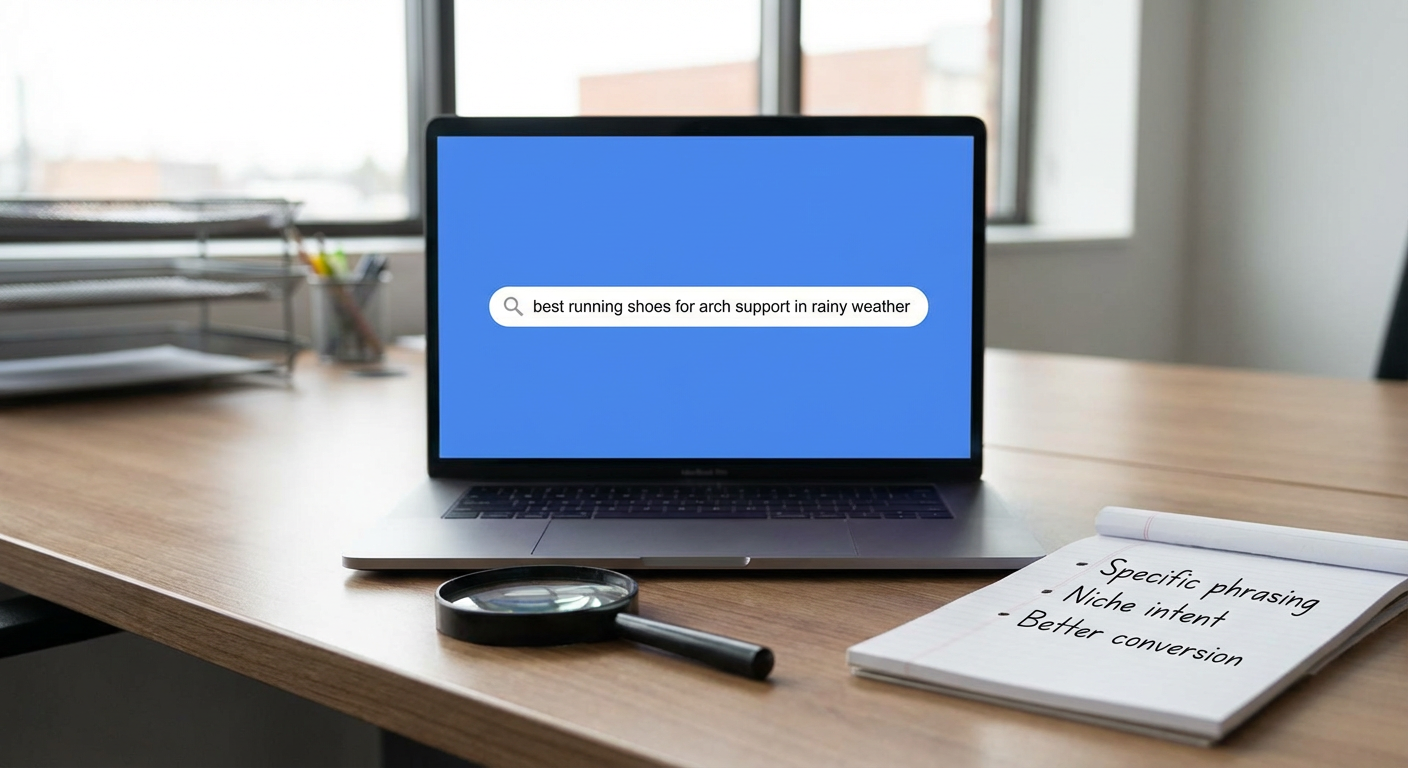
Most marketers chase the same popular keywords, leaving a goldmine of overlooked search terms untapped. Long-tail keywords are those longer, more specific phrases that people type when they’re closer to making a purchase or finding exactly what they need. While everyone fights over broad terms like “running shoes” or “web design,” smart marketers quietly capture highly motivated traffic with phrases like “waterproof trail running shoes for wide feet” or “affordable web design for local restaurants.” This list focuses on hidden categories and underrated types of long-tail keywords that most people ignore, yet they consistently deliver better conversion rates and lower competition.
- Freelance Marketplace Niche Services
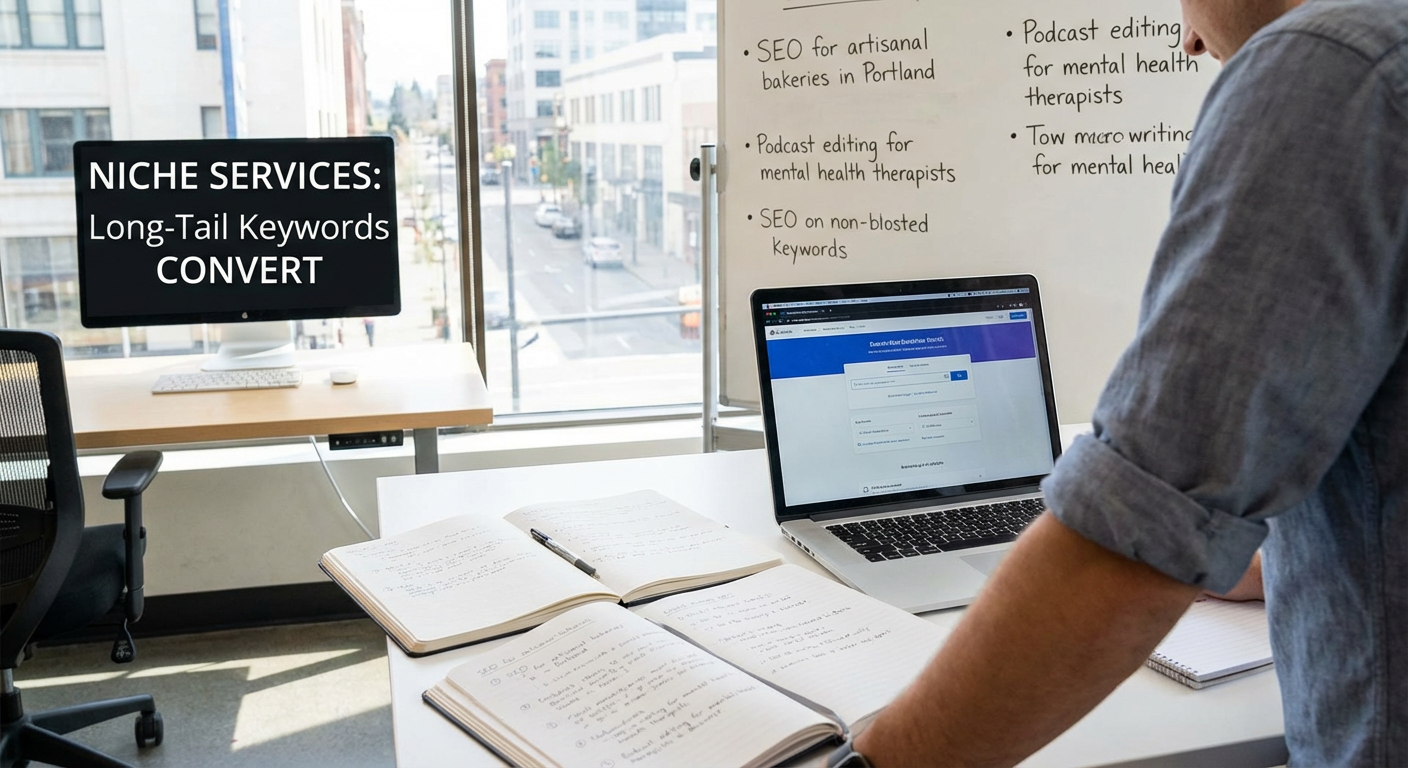
Legiit offers a quieter alternative to the crowded mainstream freelance platforms, and searching for specific service combinations here reveals a treasure trove of conversion-focused keywords. Instead of targeting “SEO services” or “content writing,” users on Legiit often search for highly specific combinations like “local SEO for plumbers” or “product description writer for Shopify pet stores.” These hyper-targeted searches indicate someone who knows exactly what they need and is ready to hire.
The platform attracts buyers who have moved past the research phase and want specialized help, which means keywords drawn from these specific service combinations tend to convert at impressive rates. If you offer services in digital marketing, content creation, or technical work, studying the specific search patterns on niche marketplaces can reveal keyword opportunities your competitors haven’t noticed yet.
- Problem-Solution Combinations With Constraints

When someone adds a constraint to their problem search, they’re usually desperate for a solution. Keywords like “fix leaky faucet without calling plumber” or “remove red wine stain from white couch fast” show high intent because the searcher has specific limitations. They can’t or won’t take the obvious route, so they’re looking for alternatives.
These constrained problem searches often have lower competition because most businesses target the ideal customer scenario, not the person with budget limits, time pressure, or access issues. If your product or service solves problems for people with constraints, these keywords are gold.
- Tool Comparison Keywords With Three Items
Everyone knows about “X vs Y” comparison keywords, but three-way comparisons like “Mailchimp vs ConvertKit vs ActiveCampaign for bloggers” fly under the radar. These searches indicate someone in the final decision stage, weighing their top options against each other. They’ve already done preliminary research and narrowed their choices.
These keywords typically have less competition than two-way comparisons but attract equally qualified traffic. Creating content for three-way comparisons also positions you as more thorough and helpful than competitors who only cover head-to-head matchups.
- Beginner-Specific How-To Phrases
Searches that include “for beginners” or “for first time” signal people who are willing to spend money to avoid mistakes. A keyword like “best espresso machine for beginners who want cafe quality” reveals someone ready to invest in quality equipment but lacking confidence. They’re more likely to trust recommendations and make purchases based on guidance.
These keywords work especially well if you sell educational products, starter kits, or services that include onboarding support. The beginner qualifier reduces competition while attracting customers who value hand-holding and are less likely to comparison shop on price alone.
- Location Plus Occasion Keywords
Combining a location with an occasion creates surprisingly specific, high-converting keywords that most businesses overlook. Something like “romantic restaurants in downtown Austin for anniversary” or “family photographers in Brooklyn for bar mitzvah” shows clear intent and immediate need. The person searching has a specific event, knows where it will happen, and is ready to book.
These keywords work beautifully for local businesses and service providers. They have lower search volume but dramatically higher conversion rates because they match exactly what the searcher needs at that moment.
- Negative Qualifier Keywords
People searching with negative qualifiers like “without,” “no,” or “avoid” are trying to exclude something they don’t want. Keywords such as “CRM software without monthly fees” or “dog food without chicken or grains” indicate someone who has already tried other options and been disappointed. They know what they don’t want, which means they’re closer to a purchase decision.
These searches often reveal underserved market segments. If your product or service specifically avoids a common pain point, targeting these negative qualifier keywords can connect you with grateful customers who feel like you built something just for them.
- Seasonal Preparation Keywords
Most businesses target seasonal keywords during the season itself, but preparation keywords hit earlier and convert better. Instead of “Christmas gifts,” try “Christmas gift list planner October” or “prepare garden for winter checklist.” These searchers are planners who take action early, and they’re often more thoughtful buyers.
Preparation keywords face less competition because most marketers wait until the season arrives. By targeting people who prepare ahead, you capture attention when they’re in research mode and ready to bookmark resources or make early purchases.
- Demographic Plus Pain Point Keywords
Combining a specific demographic with a pain point creates highly targeted keywords that larger competitors ignore. Something like “ergonomic keyboard for small hands and wrist pain” or “book club suggestions for busy working moms” speaks directly to someone’s identity and problem. These searchers feel seen when they find content that addresses both who they are and what they struggle with.
The specificity naturally filters out casual browsers and attracts people who will engage deeply with your content because it feels personally relevant. These keywords work especially well for niche products and community-focused businesses.
- Upgrade and Replacement Keywords
When someone searches “upgrade from” or “replace my old,” they’re ready to spend money. Keywords like “upgrade from Nikon D3500 to full frame” or “replace old thermostat with smart version” indicate a person who already owns something and wants better. They understand the category, have a budget in mind, and are comparing specific options.
These keywords attract experienced buyers rather than beginners, which often means higher order values and fewer basic questions. They also face less competition because most content targets first-time buyers rather than people making their second or third purchase in a category.
- Timeline-Specific Project Keywords
Adding a timeline to a project keyword shows urgency and commitment. Someone searching “learn Spanish in 3 months before trip” or “lose 20 pounds in 8 weeks for wedding” has a deadline and motivation. They’re more likely to purchase courses, programs, or services that promise to help them meet their timeline.
These keywords work because the timeline creates natural urgency without artificial scarcity tactics. The searcher has imposed the deadline on themselves, which means they’re serious about taking action and more willing to invest in solutions that promise results within their timeframe.
- Price Range Plus Quality Keywords
When someone includes both a price range and a quality expectation, they’re trying to find the sweet spot. Keywords like “best laptop under 800 for video editing” or “durable hiking boots under 150” show someone who has done enough research to set a realistic budget but still wants quality. They’re not looking for the cheapest option or the most expensive one.
These keywords convert well because the searcher has already decided to buy and is now just finding the right product within their budget. They’re past the awareness stage and deep into consideration, making them warm leads.
- Compatibility and Integration Keywords
Searches that ask about compatibility or integration indicate someone who already owns part of a system and wants to expand it. Keywords like “smart bulbs that work with Google Home and Alexa” or “project management tool that integrates with Slack and Asana” come from people building an ecosystem. They’re invested in their current setup and willing to pay for things that fit smoothly into it.
These keywords face less competition but attract loyal customers who are more likely to make repeat purchases if you become their trusted source for compatible products. They also indicate higher technical knowledge, which can mean fewer support requests.
- Alternative and Substitute Keywords
When people search for alternatives or substitutes, they’re usually dissatisfied with what they currently use or can’t access it. Keywords like “Notion alternative for offline use” or “substitute for cream of tartar in meringue” show someone who knows what they want but needs a different option. They already understand the category and are looking for something that solves a specific limitation.
These keywords let you position your offering against established competitors by highlighting what makes you different. The searcher is open to trying something new, which gives you an opportunity to win a customer away from a bigger brand.
- Maintenance and Care Keywords
People who search for maintenance and care instructions are existing owners who want to protect their investment. Keywords like “how to maintain leather couch and prevent cracking” or “MacBook Pro cleaning and maintenance schedule” come from people who have already made a purchase and want it to last. They’re perfect targets for accessories, care products, and related services.
These keywords reveal an audience that values quality and longevity over cheap replacements. They’re willing to spend money on maintenance products and services, and they often become repeat customers if you help them care for what they own.
- Certification and Credential Keywords
Searches that include certification or credential requirements show professional intent. Someone looking for “HVAC repair certified and insured in Phoenix” or “CPA for small business tax planning” wants specific qualifications. They’re not price shopping but rather looking for legitimate, qualified providers. They understand that credentials matter and are willing to pay for proper expertise.
These keywords attract higher-value clients who see professional services as investments rather than expenses. They also tend to result in longer-term relationships because the client values expertise and reliability over finding the cheapest option.
- Quantity and Bulk Keywords
When someone includes quantity in their search, they’re planning a larger purchase or event. Keywords like “order 50 custom t-shirts for family reunion” or “buy office chairs for team of 12” indicate B2B buyers or people organizing events. These searches often lead to higher order values and repeat business if the experience is good.
Quantity keywords face less competition because most content targets individual consumers. Business buyers and event planners searching with quantity terms are usually ready to move quickly and care more about reliability and quality than finding the absolute lowest price.
- Sensory and Texture Description Keywords
Including sensory details in keywords reveals shoppers who know exactly what experience they want. Someone searching “soft fuzzy blanket that doesn’t shed” or “crunchy peanut butter with no added sugar” has specific preferences that go beyond basic features. They’ve probably been disappointed before and are being more careful this time.
These detailed sensory keywords convert well because they match people to products that will actually satisfy them. When you target these specific descriptors, you reduce returns and increase satisfaction because customers find exactly what they were imagining.
- Recovery and Repair Keywords
Searches about recovery, repair, or fixing mistakes show people dealing with an immediate problem. Keywords like “recover deleted photos from iPhone” or “fix over-fertilized lawn” come from people who need help right now. They’re often willing to pay for fast solutions or expert guidance because they’re stressed and want to stop the damage.
These keywords work especially well for service businesses, software tools, and informational products that promise quick fixes. The emotional component of trying to recover from a mistake makes people less price-sensitive and more focused on finding something that works.
Long-tail keywords succeed because they match specific intent, and the most overlooked variations often perform the best. While your competitors fight over obvious terms, these underrated keyword types let you connect with motivated buyers who are further along in their decision process. The lower search volume is a feature, not a bug, because it means less competition and more qualified traffic. Start testing a few of these hidden-gem keyword categories in your content and watch how they quietly outperform broader terms in conversion rates. The best part is that these specific searches keep revealing new opportunities as language and buyer behavior continue to shift.