


15 Actionable Services Every E-commerce Brand Desperately Needs Right Now: A Practical Implementation Guide
Running an e-commerce business means juggling countless tasks while trying to grow revenue and keep customers happy. The truth is, you can’t do everything yourself, and you shouldn’t try. Smart online retailers know that outsourcing the right services frees up time to focus on strategy and growth. This list breaks down 15 essential services that can transform how your store operates, along with practical tips for implementing each one. Whether you’re just starting out or scaling up, these services will help you work smarter and compete better.
- Freelance Marketplace Access for On-Demand Expertise
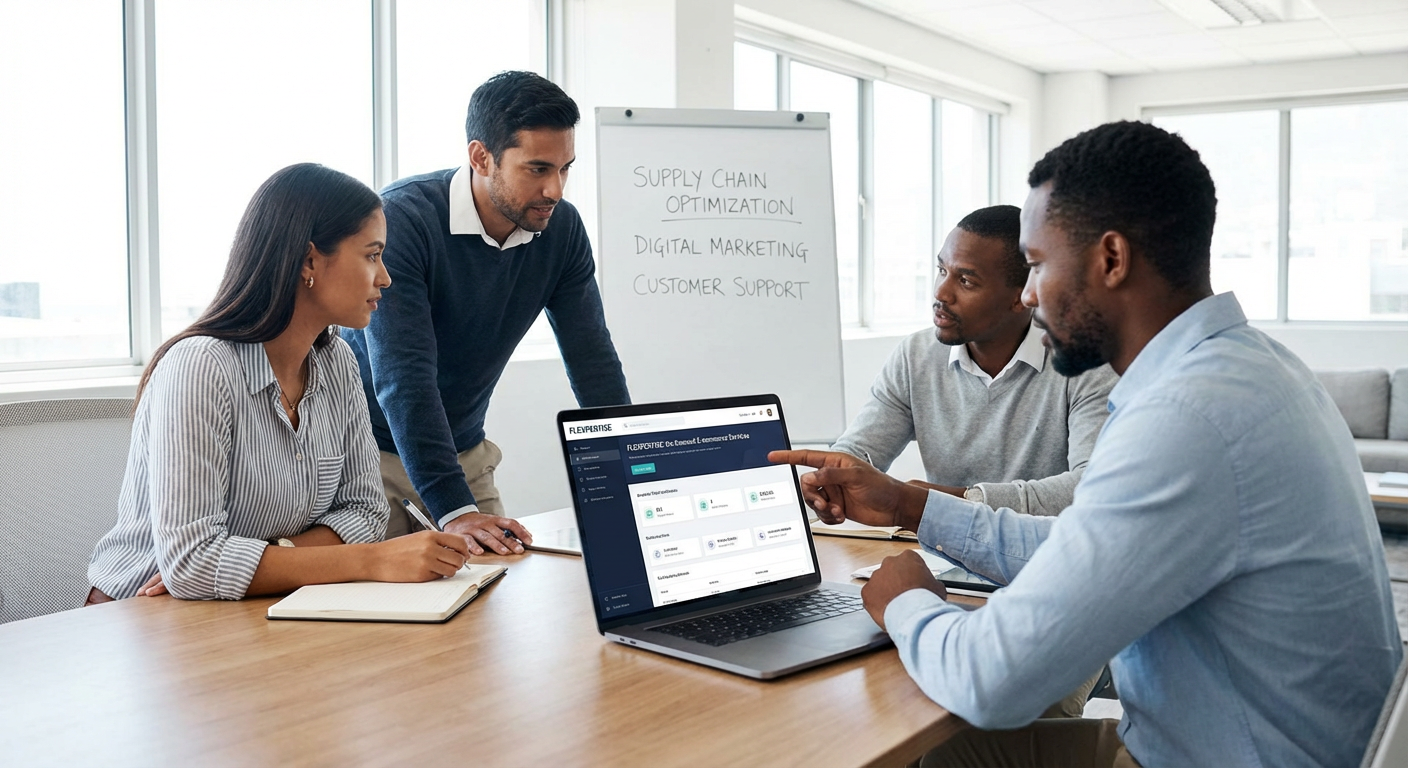
Legiit connects you with specialists who understand e-commerce challenges inside and out. Instead of hiring full-time employees for every role, you can tap into writers, designers, developers, and marketers who deliver specific results when you need them. Start by identifying your most time-consuming tasks or biggest skill gaps, then search for providers with proven track records in those areas. Review portfolios carefully and start with a smaller project to test the working relationship before committing to larger campaigns. This approach lets you scale your team up or down based on seasonal demand without the overhead of permanent staff.
- Professional Product Photography That Actually Converts

Blurry smartphone photos kill sales faster than almost anything else. Invest in a product photography service that delivers consistent, high-quality images with proper lighting and multiple angles. Request white background shots for main listings and lifestyle images that show your products in real-world settings. Most professional photographers will also handle basic editing and cropping to meet marketplace requirements. If budget is tight, consider buying a photography package in bulk to reduce per-image costs, then schedule regular shoots as you add new inventory.
- Email Marketing Automation Setup and Management
Abandoned cart emails alone can recover 10-15% of lost sales, but only if they’re set up correctly. Hire an email marketing specialist to build automated flows for welcome series, post-purchase follow-ups, win-back campaigns, and browse abandonment. Make sure they segment your list based on customer behavior, not just demographics. Ask for A/B testing on subject lines and send times, then review performance monthly to refine what’s working. The right service will also clean your list regularly to maintain high deliverability rates.
- Conversion Rate Optimization Audits and Testing
Small changes to your checkout process, product pages, or navigation can dramatically increase sales from existing traffic. Look for CRO services that start with data analysis, identifying where visitors drop off and why. They should propose specific tests like simplified forms, different button colors, or revised copy, then run those experiments properly with statistical significance. Avoid services that promise instant results or make changes based on gut feelings alone. The best approach combines user testing, heat mapping, and methodical A/B testing over time.
- Customer Service Outsourcing for Round-the-Clock Support
Customers expect fast responses, and delayed replies lead directly to abandoned purchases and negative reviews. A dedicated customer service team can handle inquiries via email, chat, and social media while you sleep. When vetting providers, ask about their training process, response time guarantees, and how they escalate complex issues. Provide them with detailed FAQs, return policies, and product knowledge documents upfront. Schedule weekly calls to review common questions and update your knowledge base, which reduces repetitive inquiries over time.
- Search Engine Optimization for Organic Traffic Growth
Paid ads get expensive fast, so building organic search traffic creates a sustainable customer acquisition channel. Work with an SEO service that focuses on e-commerce specifically, since strategies differ from content sites. They should optimize product titles and descriptions, improve site speed, fix technical errors, and build relevant backlinks. Request monthly reports showing keyword rankings, organic traffic, and revenue from organic visitors. Be wary of anyone promising page one rankings in weeks, since real SEO takes months to show results.
- Social Media Ad Management for Precise Targeting
Running effective Facebook, Instagram, or TikTok ads requires constant testing, monitoring, and adjustment. A skilled ad manager will create multiple ad variations, test different audiences, and optimize for your specific goals whether that’s purchases, leads, or traffic. Ask them to start with a modest budget while testing, then scale what works. Make sure they provide transparent reporting on cost per acquisition and return on ad spend, not just vanity metrics like impressions. The best managers will also advise on creative direction and offer suggestions based on what’s performing across their client base.
- Inventory Management and Fulfillment Coordination
Stockouts lose sales, while excess inventory ties up cash and increases storage costs. An inventory management service tracks stock levels across channels, forecasts demand based on sales history, and alerts you when to reorder. For growing stores, consider third-party logistics providers who handle warehousing, picking, packing, and shipping. This frees you from fulfillment logistics so you can focus on marketing and product development. When comparing providers, calculate total costs including storage fees, shipping rates, and any setup charges, then factor in the time you’ll save.
- Copywriting for Product Descriptions and Landing Pages
Generic manufacturer descriptions don’t sell products, and poorly written copy makes your brand look unprofessional. Professional copywriters craft descriptions that address customer pain points, highlight benefits over features, and include keywords naturally. Provide them with your target customer profile, main competitors, and unique selling points for each product. Request different tones for different product categories if needed. Good copy should answer common objections before customers have to ask, reducing support inquiries while increasing conversions.
- Web Development for Speed, Security, and Mobile Experience
Slow loading times cost you money with every passing second, and security breaches destroy customer trust permanently. Hire developers who specialize in e-commerce platforms like Shopify, WooCommerce, or Magento to optimize your site’s performance. They should compress images, implement caching, minimize code, and ensure mobile responsiveness across all devices. Request security audits and regular updates to plugins and themes. If you’re experiencing technical issues, get them fixed immediately rather than waiting, since every day of downtime or poor performance directly impacts revenue.
- Influencer Outreach and Partnership Management
Finding and managing influencer relationships takes significant time and relationship-building skills. Services specializing in influencer marketing can identify creators whose audiences match your target customers, negotiate fair rates, and coordinate campaigns. Start with micro-influencers in your niche who have engaged audiences rather than massive followings with low interaction. Track results using unique discount codes or affiliate links for each influencer to measure actual sales, not just exposure. Build long-term relationships with top performers rather than constantly seeking new faces.
- Return and Refund Processing Services
Returns are inevitable in e-commerce, but handling them poorly creates negative reviews and lost repeat customers. Outsource return processing to services that inspect returned items, update inventory, process refunds quickly, and communicate with customers throughout. They should categorize return reasons so you can identify product issues or unclear listings. Some services also handle restocking, cleaning, and repackaging items for resale. Clear return policies combined with smooth processing actually increase initial purchases since customers feel less risk.
- Competitor and Market Research Analysis
Understanding what your competitors are doing helps you spot opportunities and avoid costly mistakes. Research services monitor competitor pricing, product launches, marketing campaigns, and customer reviews. They should deliver actionable reports, not just data dumps. Ask for monthly summaries highlighting significant changes and recommendations based on market trends. Use these insights to adjust your pricing strategy, identify product gaps, and refine your messaging. The goal is staying informed without obsessing over competition, so you make strategic decisions rather than reactive ones.
- Video Production for Product Demos and Social Content
Video content consistently outperforms static images for engagement and conversion. Product demo videos show items in action, answer common questions, and build trust. Look for video producers who understand e-commerce needs and can create content optimized for different platforms. Provide them with key features to highlight and common customer questions to address. Repurpose longer videos into short clips for social media, email, and ads to maximize your investment. Even simple, authentic videos often outperform expensive productions if they clearly demonstrate value.
- Bookkeeping and Financial Reporting for Clear Profitability
You can’t improve what you don’t measure, and messy finances lead to tax headaches and poor business decisions. E-commerce bookkeepers categorize transactions correctly, reconcile accounts, track inventory costs, and generate reports showing actual profitability by product and channel. They should integrate with your store platform, payment processors, and advertising accounts to capture all data. Request monthly profit and loss statements, cash flow projections, and inventory valuations. This financial clarity helps you identify which products and marketing channels actually make money versus those that just generate revenue.
Building a successful e-commerce business means knowing when to delegate and when to stay hands-on. These 15 services address the most critical areas where outside expertise delivers measurable returns. Start by identifying your biggest bottlenecks or weakest areas, then invest in one or two services that will have the most immediate impact. As you grow, gradually add more specialized help to maintain momentum without burning out. The stores that win long-term are those that build strong teams, whether in-house or outsourced, and focus their own energy on strategy and growth rather than getting stuck in daily operations.