


13 Marketplaces to Hire Brand Designers and Logo Pros Compared: Pros, Cons, and What You Get
Finding the right marketplace to hire a brand designer or logo professional can feel overwhelming. Each platform promises talented creatives, but they all work differently. Some offer fast turnarounds while others focus on premium quality. Some keep costs low, while others cater to enterprise budgets. This list breaks down 13 popular marketplaces, comparing their strengths, weaknesses, and what makes each one worth considering. Whether you need a quick logo refresh or a complete brand overhaul, understanding the trade-offs will help you pick the platform that fits your needs and budget.
- Legiit: Transparent Pricing and Vetted Specialists

Legiit stands out for its straightforward approach to hiring digital professionals, including brand designers and logo specialists. The platform vets its sellers, which means you avoid sifting through hundreds of unqualified profiles. Pricing is clearly displayed upfront, so you know what you will pay before starting a conversation. This transparency saves time and reduces the back-and-forth negotiation that plagues other marketplaces.
One trade-off is that Legiit skews toward small to mid-sized businesses rather than large enterprise projects. The talent pool is solid but smaller than massive platforms. However, what you lose in volume you gain in quality control and ease of use. If you value clear communication, reliable service providers, and no hidden fees, Legiit offers a refreshingly direct experience compared to the chaos of larger, less curated sites.
- Fiverr: Budget-Friendly but Quality Varies Wildly
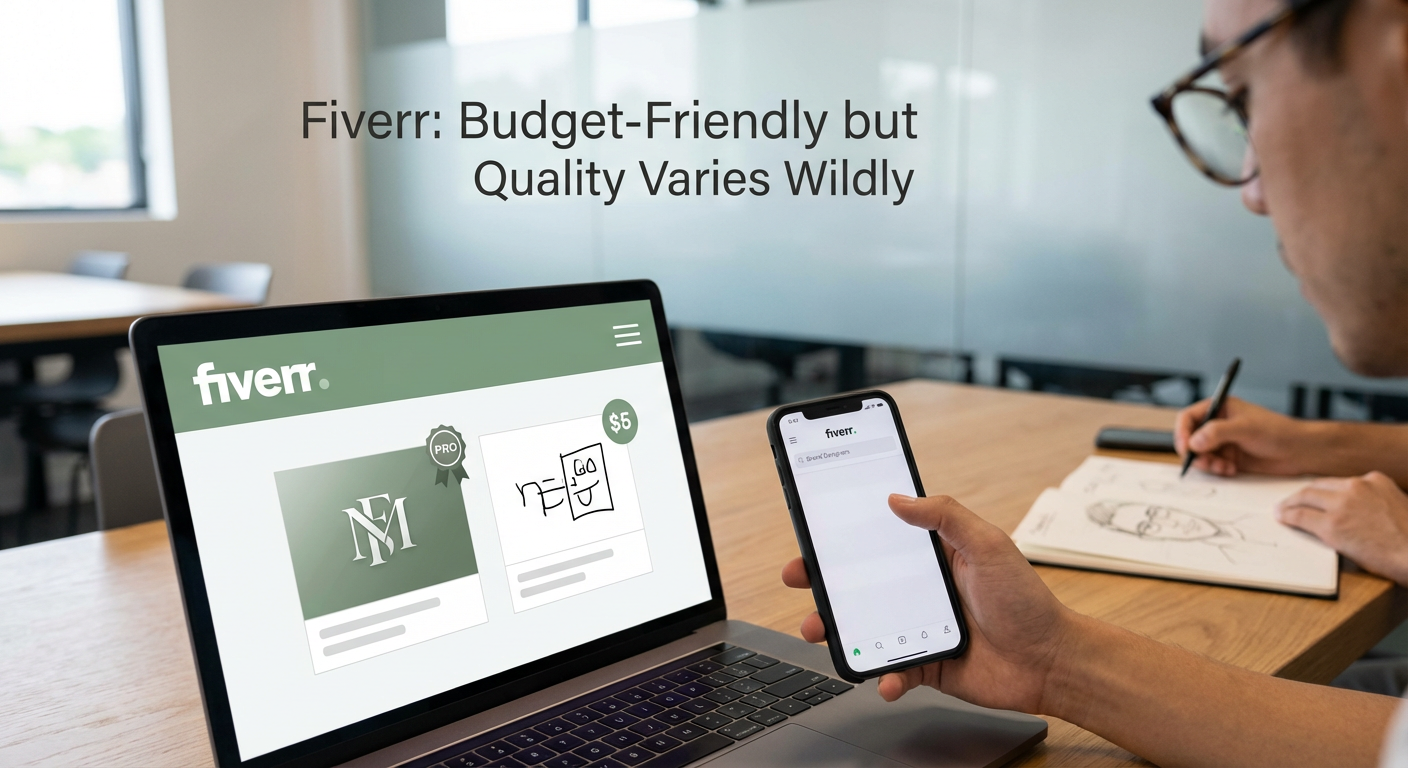
Fiverr is famous for its low entry prices, with logo designs starting as low as five dollars. This makes it appealing for startups and solo entrepreneurs operating on shoestring budgets. The sheer number of designers means you can browse hundreds of portfolios and find a style that matches your vision.
The downside is inconsistency. For every talented designer, there are dozens offering templated work or poor communication. Sorting through profiles takes significant time, and the cheapest options rarely deliver professional results. You also face potential language barriers and time zone challenges. Fiverr works best when you have a clear brief, realistic expectations, and the patience to vet multiple candidates. If you need a simple logo fast and can afford a few revisions, it can work. For complex branding projects, the trade-off in quality may not be worth the savings.
- 99designs: Contest Model Offers Options but Higher Costs
99designs uses a contest format where multiple designers submit concepts based on your brief. You review all entries and pick a winner. This gives you variety and lets you see different creative directions before committing. The platform attracts experienced designers who understand branding principles.
The trade-off is cost. Contests typically start around a few hundred dollars and go up from there. You also invest time reviewing dozens of submissions, providing feedback, and managing the contest. Some designers complain that the contest model undervalues their work since only one person gets paid. If you want multiple design options and have the budget to support it, 99designs delivers. If you prefer working one-on-one with a designer or need to keep costs low, this model may feel inefficient.
- Upwork: Flexibility and Control with More Management Required
Upwork offers complete flexibility. You post a job, review proposals, interview candidates, and negotiate terms. This control appeals to businesses with specific requirements or those who want a long-term design partner. The talent pool includes everyone from junior designers to senior brand strategists.
The trade-off is that you do all the heavy lifting. You must write a detailed job post, screen applicants, check references, and manage the project closely. Hourly billing can spiral if the scope expands or communication falters. Upwork also charges service fees on top of the designer’s rate. This platform works well if you have experience hiring freelancers and know what questions to ask. For those new to outsourcing design work, the learning curve can be steep and mistakes costly.
- Dribbble: High-End Talent but Premium Pricing
Dribbble is a portfolio platform where top designers showcase their work. Many freelancers and studios on Dribbble have impressive client lists and refined aesthetics. If you need sophisticated branding and are willing to pay for it, this is where you find designers who think strategically about visual identity.
The trade-off is cost and availability. Designers on Dribbble often charge premium rates, sometimes thousands of dollars for a logo package. Many are booked months in advance. The platform itself does not facilitate transactions, so you handle contracts and payments independently. Dribbble suits established businesses with healthy budgets and timelines that allow for slower turnarounds. If you need something fast or affordable, you will likely feel priced out.
- Behance: Portfolio Browsing but No Built-In Hiring Tools
Behance, owned by Adobe, is another portfolio site where designers display their work. You can search by style, industry, or location and reach out directly to designers whose work resonates. The quality of work on Behance is generally strong, and you get a clear sense of each designer’s aesthetic before making contact.
The downside is that Behance offers no project management, payment processing, or dispute resolution. You negotiate everything privately, which can be awkward or risky if you have never hired a freelancer before. Some designers on Behance are not actively freelancing or may not respond promptly. This platform works best if you are comfortable handling contracts yourself and want to handpick someone based purely on creative fit rather than reviews or ratings.
- DesignCrowd: Crowdsourcing with Global Reach but Mixed Results
DesignCrowd operates similarly to 99designs, using a crowdsourcing model where you launch a contest and receive multiple submissions. The platform has a large international designer base, which means you get diverse perspectives and styles. Pricing is competitive, and you can set your budget based on how much feedback and revisions you want.
The trade-off is that quality can be hit or miss. Because the platform is open to designers worldwide with varying skill levels, you may receive both polished concepts and amateurish attempts. Managing feedback for dozens of entries takes time and energy. If you enjoy reviewing lots of options and do not mind sorting through weaker submissions, DesignCrowd provides value. If you prefer a more curated experience, the noise-to-signal ratio may frustrate you.
- Toptal: Rigorous Vetting but Expensive and Slow Onboarding
Toptal markets itself as the top three percent of freelance talent. Designers go through multiple screening rounds, including live tests and portfolio reviews. If you need someone who can handle complex brand strategy and high-stakes projects, Toptal delivers confidence in quality.
The trade-off is cost and speed. Toptal designers charge premium hourly or project rates, often comparable to hiring a full-time employee. The matching process can take a week or more as Toptal identifies candidates who fit your needs. You also pay a deposit before starting. This platform makes sense for larger companies or funded startups that prioritize expertise over budget. Smaller businesses or those needing a logo quickly will find the process too slow and expensive.
- Freelancer.com: Competitive Bidding but Race to the Bottom
Freelancer.com uses a bidding system where designers compete for your project by offering the lowest price. This competition can drive costs down significantly, making it appealing for tight budgets. The platform has a massive user base, so you receive many proposals quickly.
The downside is that the bidding model often attracts the least experienced designers who undercut each other to win work. Quality suffers as a result. You may also encounter designers who promise the world in their proposal but deliver generic templates. Communication can be spotty, and revisions may cost extra. Freelancer.com works if you have very limited funds and are willing to accept mediocre results. For anything requiring professional polish or strategic thinking, the trade-off in quality is too steep.
- Designhill: Affordable Contests but Limited Designer Engagement
Designhill offers both contest and one-on-one project options. The contest model is more affordable than competitors like 99designs, making it accessible for small businesses. You can launch a logo contest for a modest fee and receive a decent number of submissions.
The trade-off is designer engagement. Because payouts are lower, top-tier designers often skip Designhill in favor of higher-paying platforms. The submissions you receive may lack the strategic depth or refinement you would get elsewhere. The platform also has fewer quality control measures, so you need to carefully review portfolios and ratings. Designhill fits businesses that want the contest experience without spending hundreds of dollars but are willing to accept that the talent pool may not match premium platforms.
- Guru: Flexible Work Agreements but Interface Feels Dated
Guru allows you to hire designers for one-time projects, hourly work, or ongoing retainers. The platform offers a SafePay escrow system, which protects both parties during the transaction. You can filter designers by skill, rating, and location, and the fee structure is transparent.
The trade-off is that the user interface feels outdated compared to newer platforms. Navigating profiles and managing projects is not as smooth as competitors. The talent pool is decent but not as deep as Upwork or Fiverr. Guru works well if you value flexible payment terms and do not mind a clunkier user experience. If you prioritize modern design and streamlined workflows, you may find the platform frustrating.
- PeoplePerHour: European Talent Pool but Limited US Availability
PeoplePerHour is a UK-based platform with a strong presence in Europe. If you are looking for designers familiar with European aesthetics or need someone in a compatible time zone, this is a solid option. The platform offers both hourly and fixed-price projects, and the vetting process is better than many budget marketplaces.
The trade-off is limited availability of US-based designers, which can matter if you need someone who understands American branding conventions or works during your business hours. The platform is smaller overall, so you have fewer designers to choose from. PeoplePerHour suits businesses based in Europe or those specifically seeking European design sensibilities. For US companies needing local talent or a larger selection, other platforms may serve better.
- Working Not Working: Curated Network but Invitation-Only Access
Working Not Working is a members-only platform that connects businesses with creative professionals. The designers here are vetted and often come from agency backgrounds. The quality of work is consistently high, and the platform attracts clients willing to invest in professional branding.
The trade-off is access. You need to apply or be invited to use the platform, and approval is not guaranteed. Pricing is typically higher because the talent pool consists of experienced professionals. Turnaround times may be longer due to designer availability. This platform suits established companies or agencies looking for top-tier creative partners and willing to navigate a more selective process. Startups or small businesses on a budget will find it difficult to get in and afford the rates once they do.
Each marketplace comes with its own set of pros and cons. Budget platforms like Fiverr and Freelancer.com offer low prices but demand patience and careful vetting. Mid-range options like Legiit and DesignCrowd balance cost with quality through curation or crowdsourcing. Premium platforms like Toptal and Dribbble deliver exceptional talent at higher price points and slower timelines. Your choice depends on your budget, timeline, and how much hands-on management you want to handle. Take the time to compare what matters most for your project, and you will find the right fit.