


13 Practical Tips for Using Link Building Marketplaces with Confidence
Link building marketplaces can save you hours of outreach and guesswork, but only if you know how to use them properly. This guide is for anyone who wants to buy quality backlinks without wasting money on shady providers or getting penalized by search engines. You’ll learn how to evaluate platforms, vet sellers, and get the most value from every transaction. These tips focus on real actions you can take right now to build links that actually move the needle.
- Start with Legiit to Learn the Marketplace Model
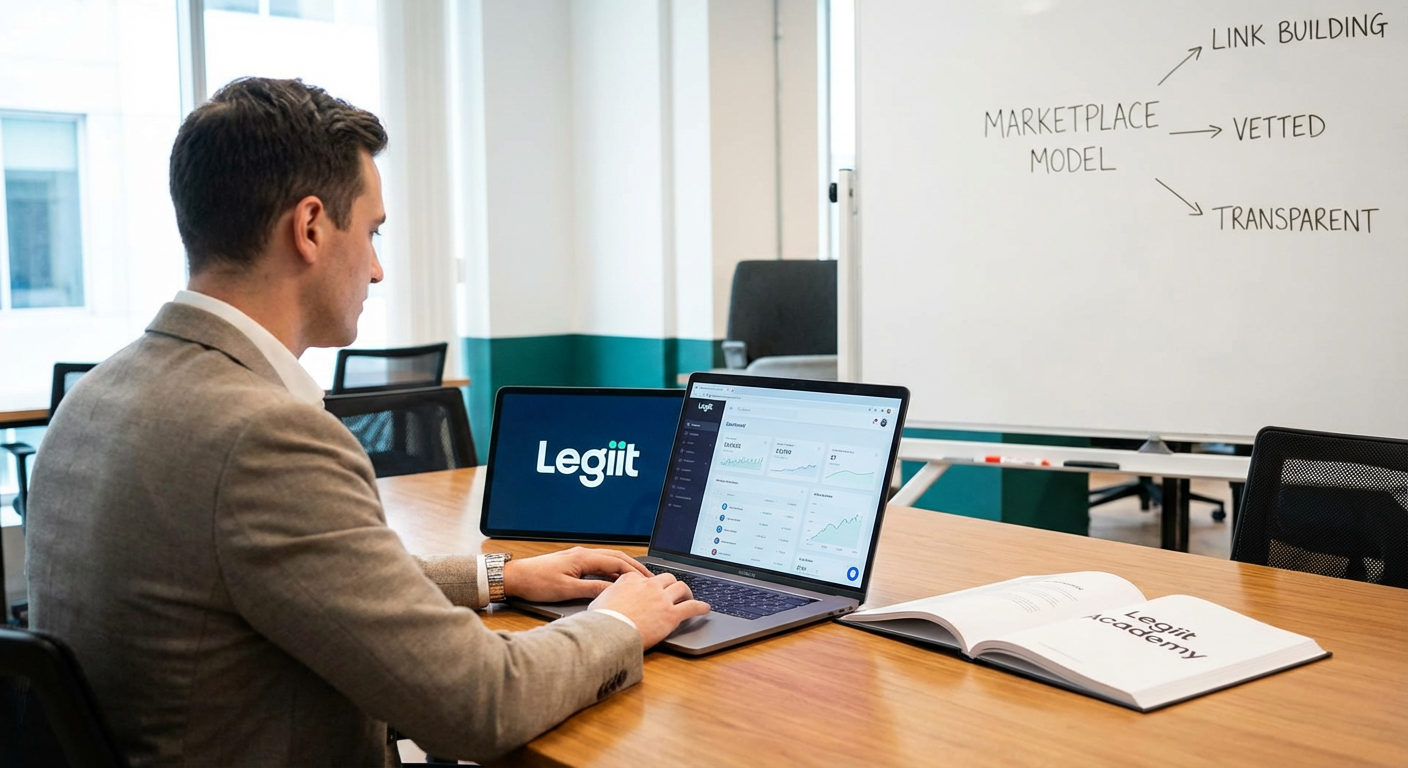
Legiit offers a straightforward way to buy link building services from verified sellers. The platform shows detailed seller profiles, customer reviews, and transparent pricing, which makes it easier to understand what you’re actually paying for. Use Legiit as a training ground to learn how to read service descriptions, compare packages, and identify red flags before you commit. The interface is simple enough that you can place your first order within minutes, and the buyer protection policies give you recourse if something goes wrong. Start with a smaller package to test the process, then scale up once you know how the system works.
- Always Check Domain Authority Before Buying

Most marketplaces list domain authority scores for the sites where your link will appear. Aim for DA scores above 30 for general purposes, and above 50 if you’re working in a competitive niche. Don’t just trust the number the seller provides. Use a third-party tool like Moz, Ahrefs, or SEMrush to verify the DA independently. If the seller refuses to share the exact domains beforehand, or if the numbers don’t match up, walk away. You’re paying for quality, and you deserve to see proof before you hand over your money.
- Read Reviews and Filter by Recency
Customer reviews tell you what actually happened after someone paid for a service. Look for reviews that mention specific results, like traffic increases or ranking improvements, rather than vague praise. Pay special attention to recent reviews, since a seller’s quality can decline over time as they take on more clients or change their methods. If a seller has dozens of five-star reviews from months ago but nothing recent, proceed with caution. Also, watch for patterns in negative reviews. If multiple buyers complain about the same issue, that’s a red flag you can’t ignore.
- Ask for Sample Links Before You Commit
Any reputable seller should be willing to share examples of their past work. Ask to see live links they’ve placed for other clients, and then inspect those pages carefully. Check if the links are contextual, if the anchor text looks natural, and if the surrounding content is relevant. Look at the site’s overall quality, including design, user engagement, and content freshness. If the samples look spammy, stuffed with ads, or filled with unrelated topics, that’s a sign the seller is using low-quality networks. Don’t be afraid to request multiple samples to get a clear picture of what you’re buying.
- Use Escrow or Platform Payment Protection
Never pay a seller directly through PayPal, bank transfer, or cryptocurrency when you’re using a marketplace. Stick to the platform’s built-in payment system, which usually holds your funds until you confirm the work is complete. This gives you leverage if the seller doesn’t deliver what they promised. If something goes wrong, you can open a dispute and get your money back. Direct payments remove that safety net and leave you with no recourse. Most platforms charge a small fee for this protection, and it’s worth every penny.
- Specify Your Niche and Target Audience Upfront
Generic link building rarely works as well as niche-specific placements. When you order a service, provide the seller with detailed information about your industry, target keywords, and audience demographics. The more context you give, the better the seller can match you with relevant sites. For example, if you sell organic skincare products, you want links from health, beauty, or wellness sites, not random tech blogs. Clear communication at the start saves you from getting irrelevant links that do nothing for your rankings. Write a brief document with this information and share it with every seller you work with.
- Track Your Links with a Spreadsheet
As you buy links from different sellers, you need a system to monitor what you’ve purchased and where your links are live. Create a simple spreadsheet with columns for the seller name, domain, page URL, anchor text, date placed, and cost. Update it every time you receive a link report. This helps you spot patterns, like which sellers consistently deliver quality or which types of links improve your rankings. It also makes it easy to audit your backlink profile later and disavow any links that turn out to be harmful. Good record keeping is the foundation of a smart link building strategy.
- Test Small Orders Before Scaling Up
Don’t drop hundreds or thousands of dollars on a seller you’ve never worked with before. Place a small order first, ideally for just one or two links, and evaluate the results. Check the quality of the placement, the speed of delivery, and the seller’s communication. If everything meets your standards, you can confidently order more. If something feels off, you’ve only risked a small amount. This approach also lets you test multiple sellers at once and compare their performance side by side. Think of it as a low-risk audition process that protects your budget and your site.
- Look for Sellers Who Offer Detailed Reports
After a seller places your links, they should send you a report with the exact URLs, anchor text used, and any relevant metrics. A good report includes screenshots or login credentials so you can verify the links yourself. Avoid sellers who just send a list of domains without proof or who make excuses about why they can’t provide documentation. Transparency is a sign of professionalism and confidence in their work. If a seller hesitates to show you what they did, it’s likely because the quality isn’t there. Insist on full reporting as a non-negotiable part of the deal.
- Avoid Sellers with Unrealistic Turnaround Times
Quality link placements take time because they involve outreach, content creation, and editorial approval. If a seller promises to deliver 50 high-DA links in 24 hours, they’re almost certainly using automated tools or private blog networks that could get your site penalized. Realistic timelines range from a few days for a single guest post to a few weeks for a larger campaign. Slow and steady wins the race in link building. Be suspicious of anyone who guarantees instant results, and choose sellers who set reasonable expectations based on the actual work involved.
- Diversify Your Anchor Text Strategy
When you order links, don’t use the same exact match keyword every time. Search engines look for natural link profiles, which means a mix of branded anchors, partial match phrases, generic terms like “click here,” and naked URLs. Work with your seller to create an anchor text plan that looks organic. For example, if you’re targeting “best running shoes,” you might use variations like “top running shoes,” “running shoe guide,” your brand name, and your domain. This diversity protects you from over-optimization penalties and makes your backlink profile look more legitimate to search algorithms.
- Monitor Your Rankings and Adjust Your Strategy
Link building isn’t a set-it-and-forget-it activity. After you place new links, track your keyword rankings weekly to see if they improve, stay flat, or drop. Use tools like Google Search Console, Ahrefs, or SEMrush to measure changes. If you’re not seeing results after a month or two, analyze what might be wrong. Maybe the links aren’t relevant enough, or the domains aren’t as strong as advertised. Use this data to refine your approach, whether that means switching sellers, targeting different types of sites, or adjusting your anchor text. Continuous monitoring turns link building from guesswork into a data-driven process.
- Join Community Forums to Share Seller Recommendations
Many marketplaces have community forums or social media groups where buyers share their experiences. These spaces are goldmines for finding trustworthy sellers and avoiding bad actors. Look for threads where people post reviews, ask questions, and recommend specific services. You can also ask for advice before making a purchase. Real users will tell you which sellers over-promise and under-deliver, and which ones consistently provide value. Participating in these communities also keeps you informed about changes in the marketplace, new sellers to watch, and best practices that other buyers have tested. Think of it as crowdsourced due diligence that saves you time and money.
Link building marketplaces give you access to vetted sellers and transparent pricing, but success comes down to how you use them. By following these practical tips, you can avoid common mistakes, build a strong backlink profile, and get real results for your site. Start small, test often, and always prioritize quality over quantity. With the right approach, these platforms become powerful tools that save you time and help you compete in even the toughest niches.